Overview
🦀 Kep Crab Market

🦀 Kep · Cambodia

Kep Crab Market (ផ្សារក្ដាមក្រុងកែប)

Kep Seafood Market · 白马螃蟹市场

Kep's most famous seafood market — fresh crab, a working fishing town, and the giant 'Crab King' monument by the Gulf of Thailand.

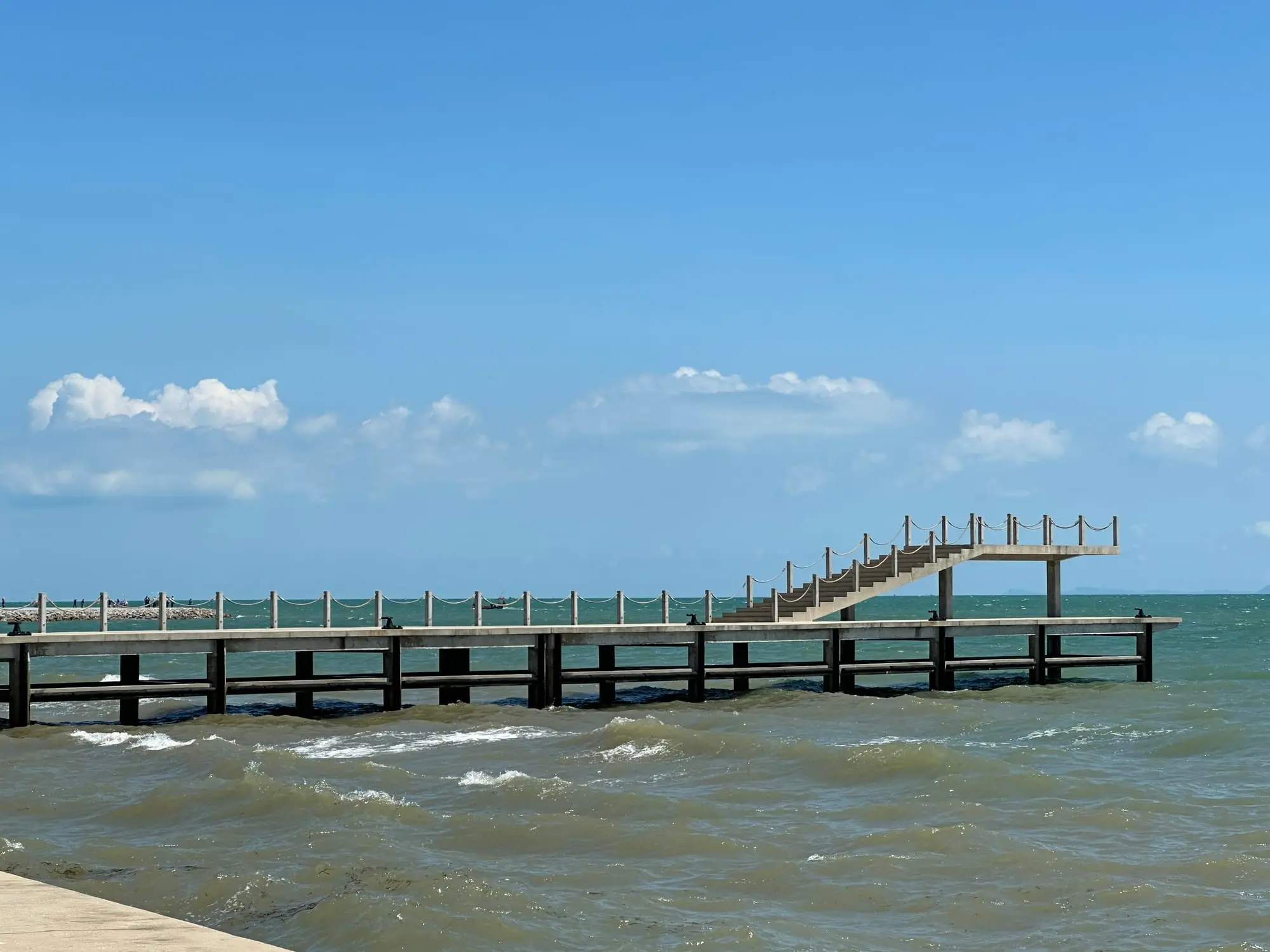
Kep Crab Market - main view in Kep, Cambodia
🕒 Opening hours: ≈ 05:00–17:30
🆓 Entry: Free
📞 Phone: +855 10 833 168

About Kep Crab Market

Welcome to Kep Crab Market (ផ្សារក្ដាមក្រុងកែប), widely recognised as the Kep Crab Market — the landmark that gives the kepcrabmarket.com domain its meaning. Located in the heart of Kep, Kep Province, Cambodia, this destination serves as a primary hub for travellers visiting the region.

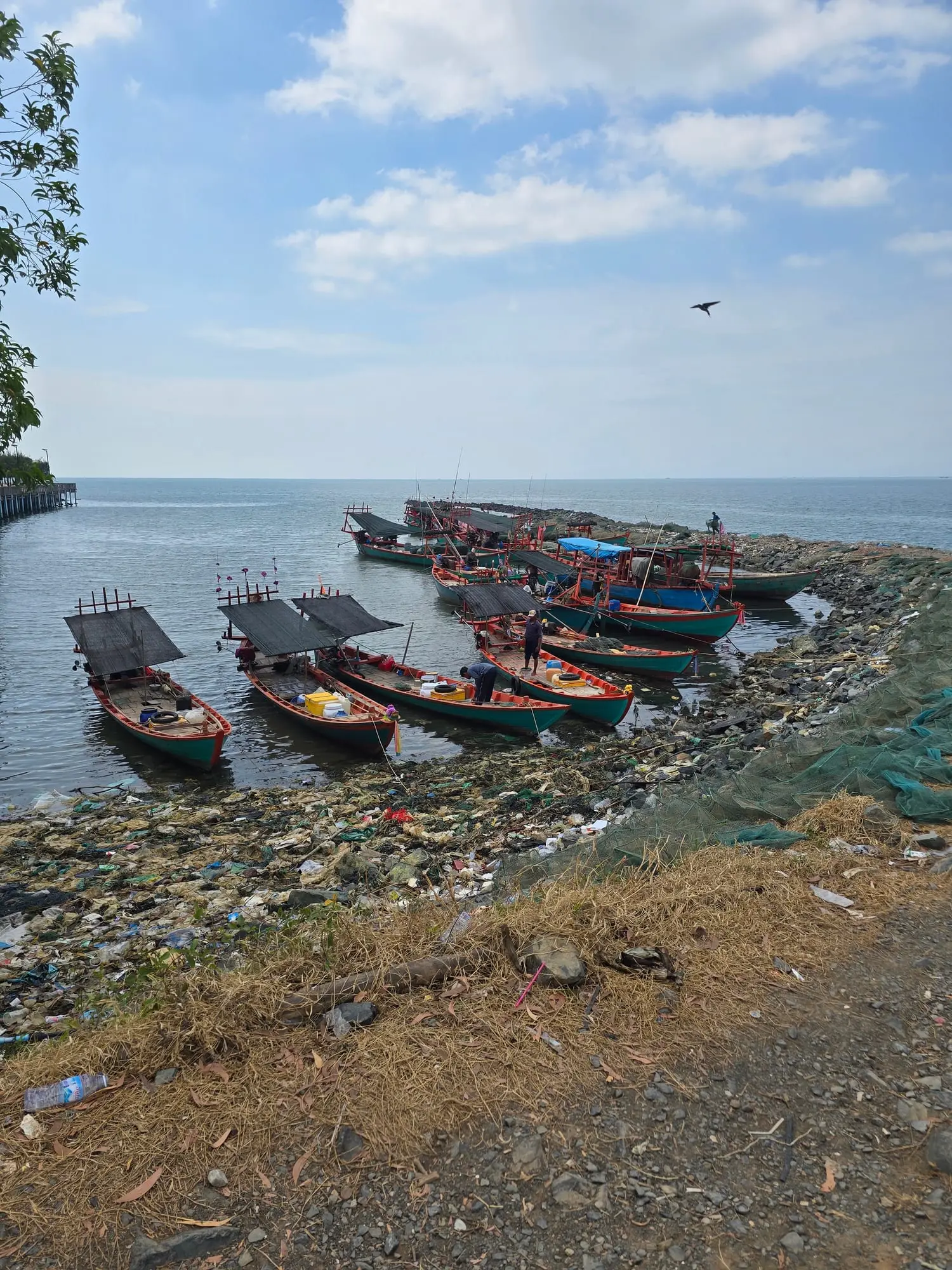
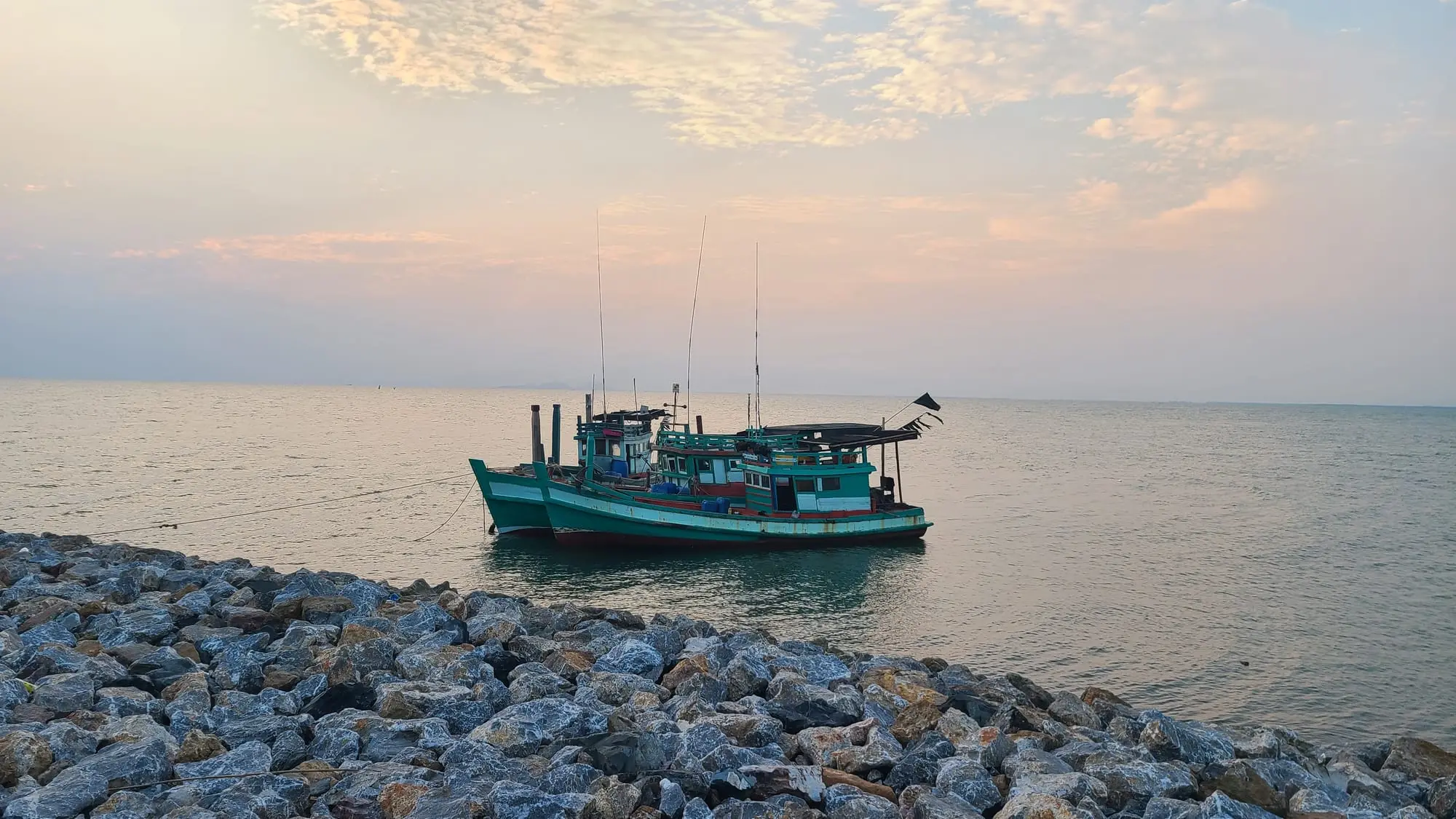
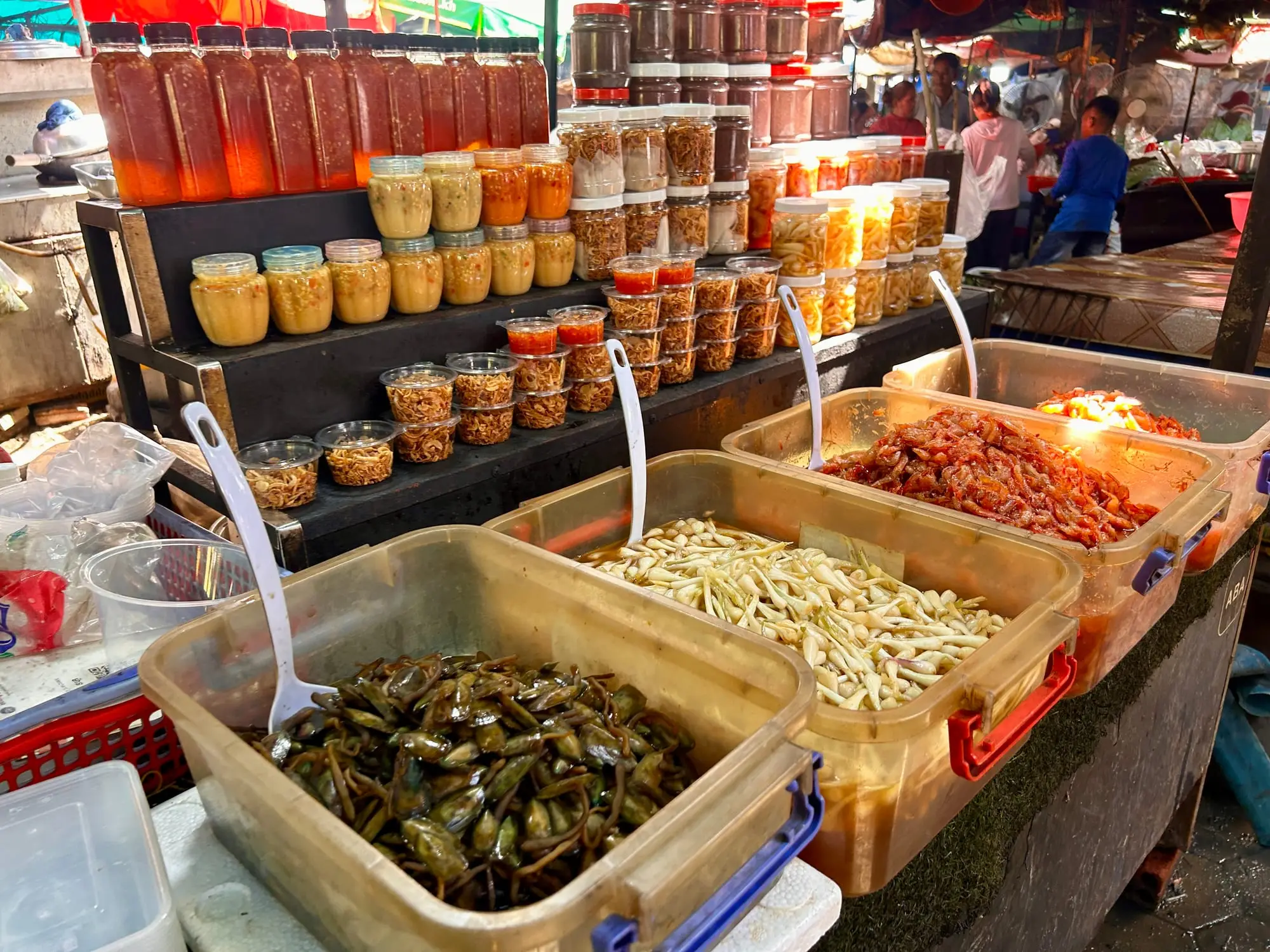
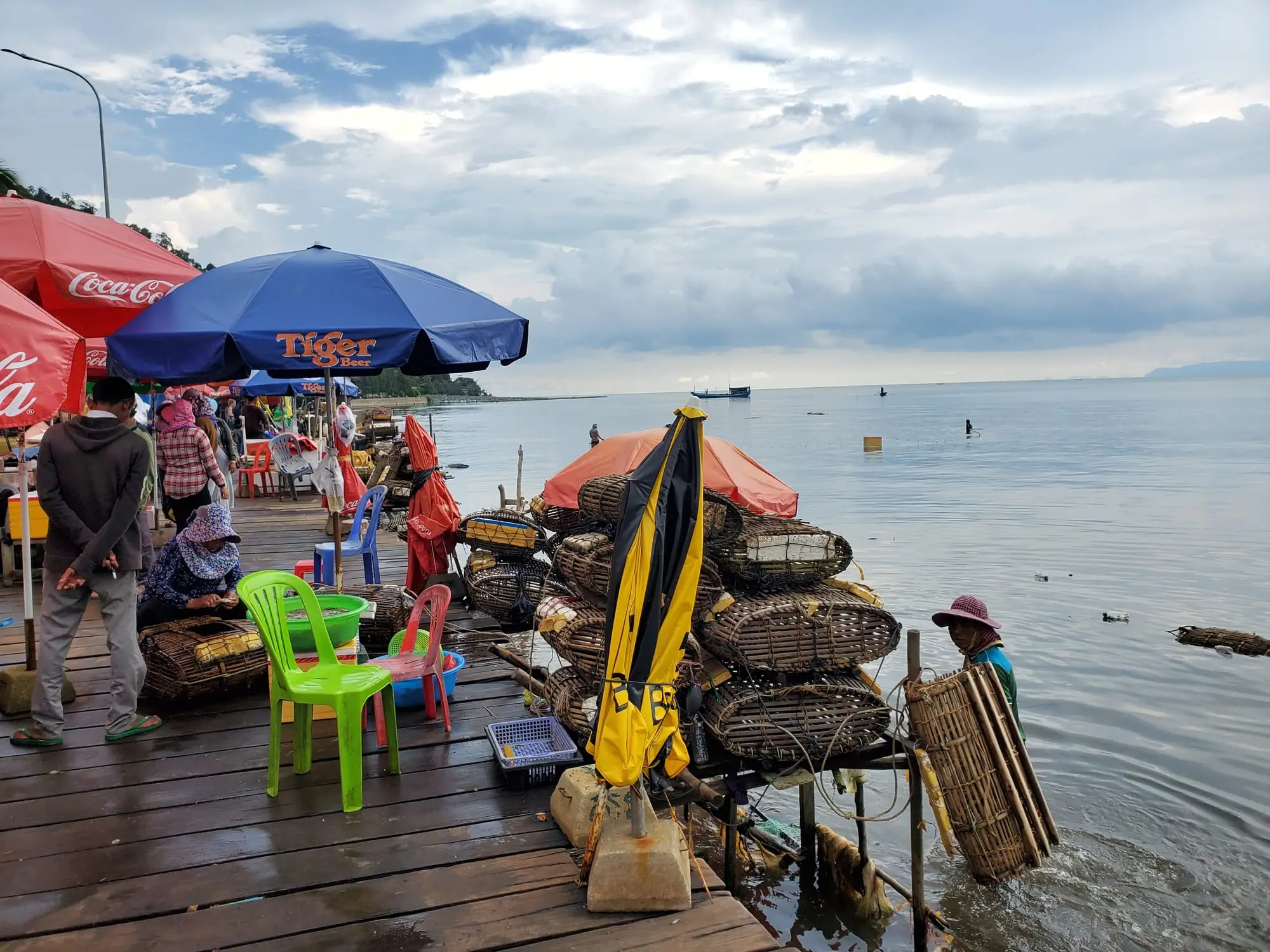
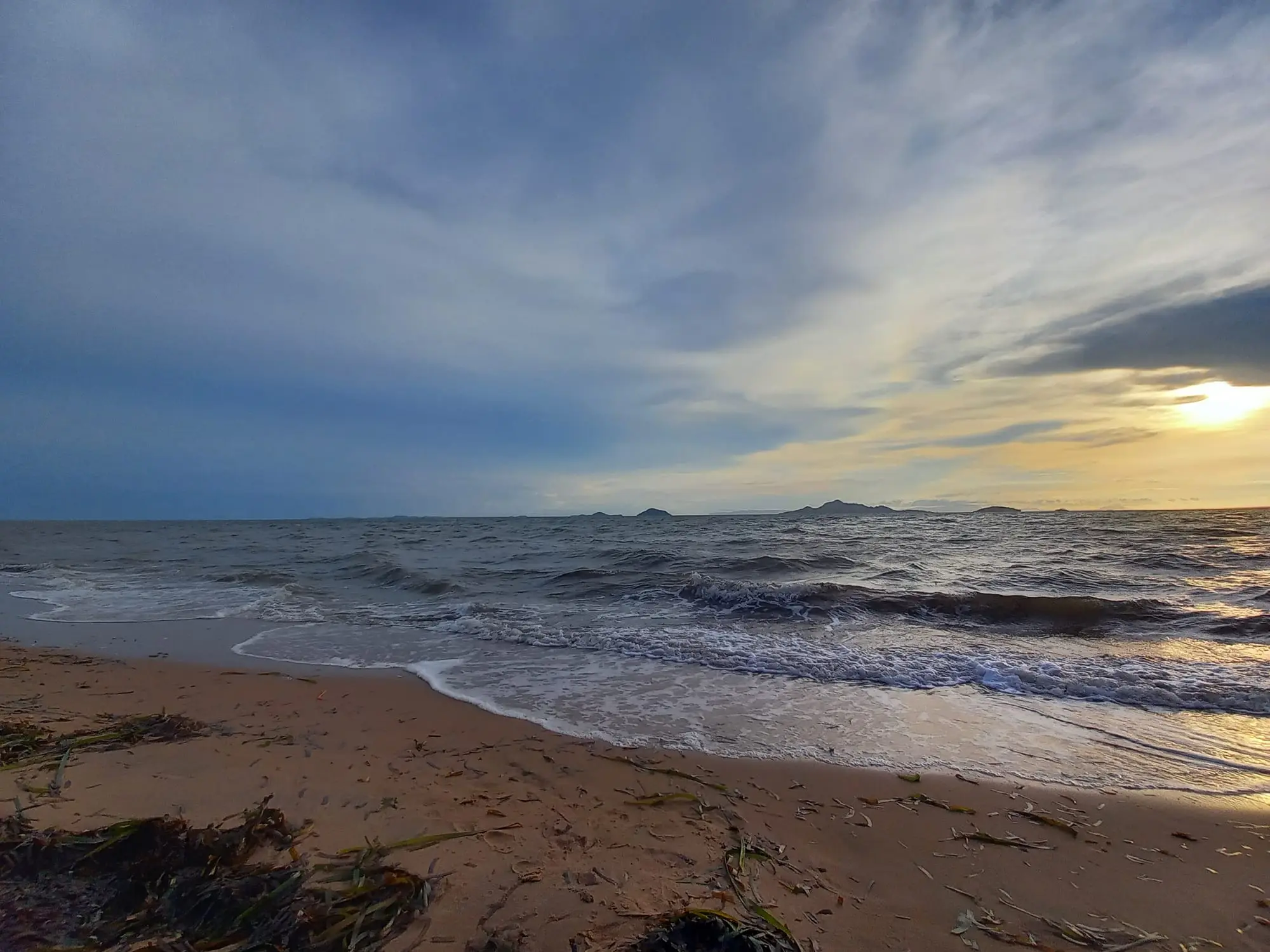
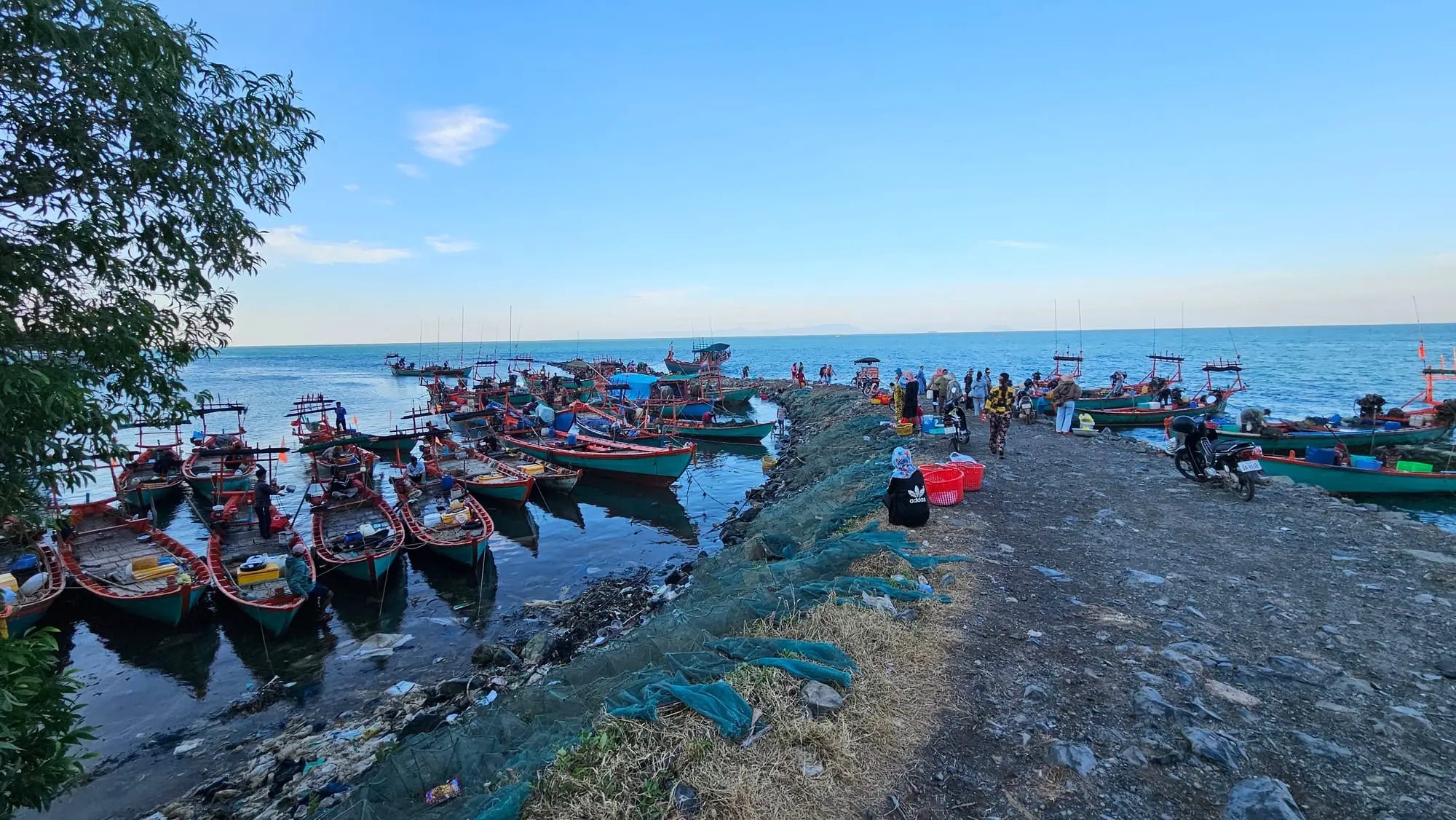
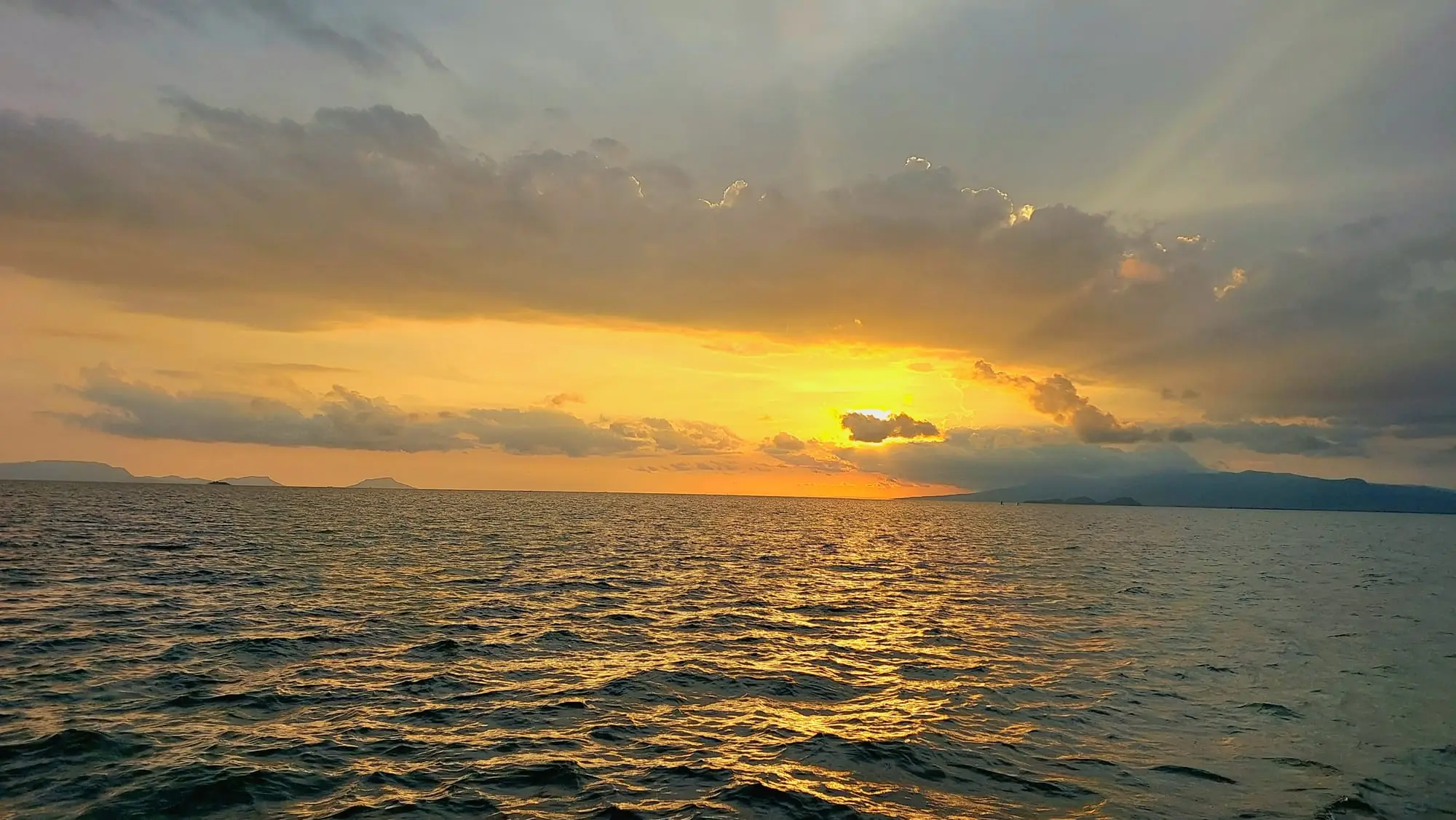
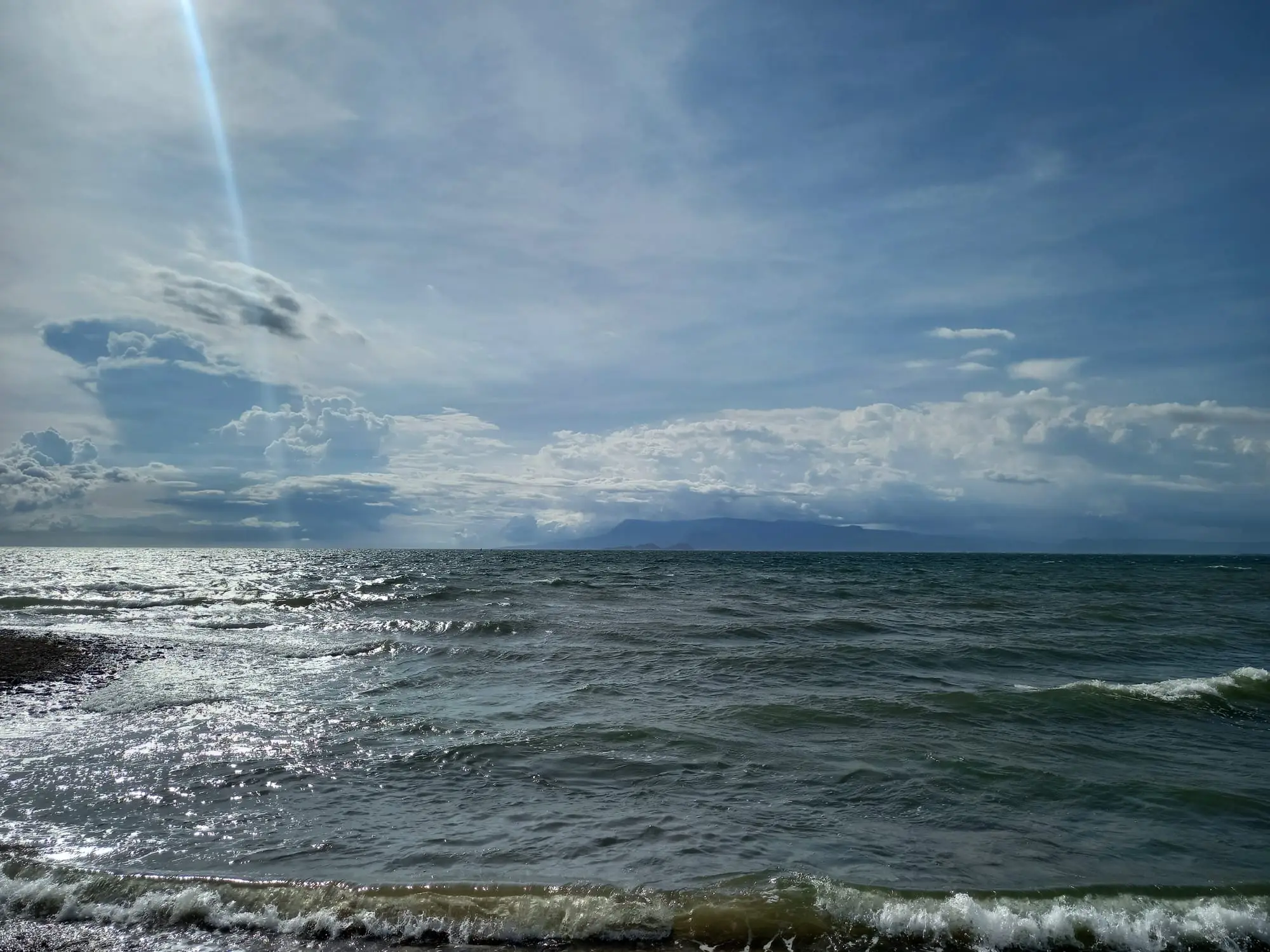
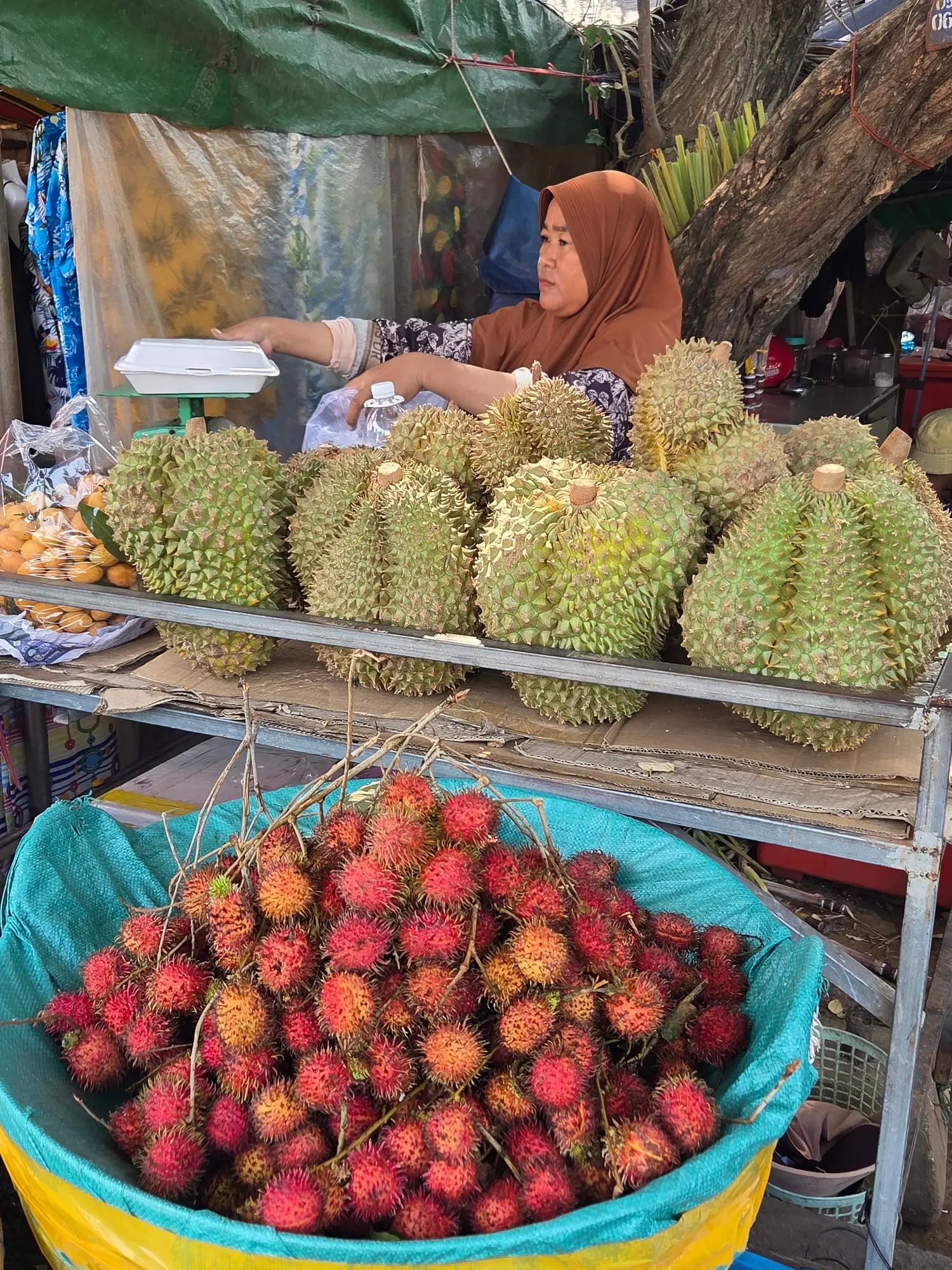
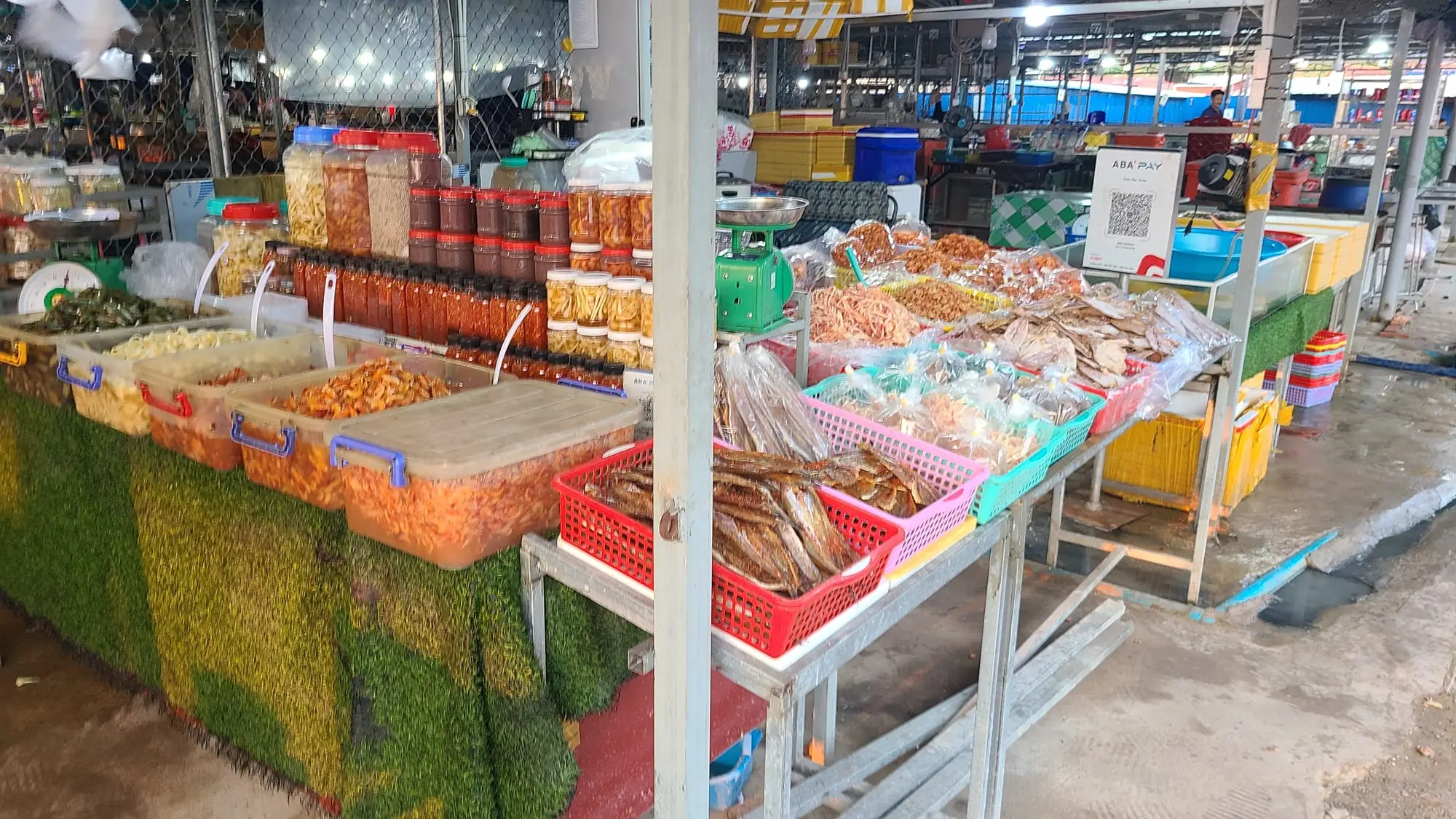
Kep Crab Market (ផ្សារក្ដាមក្រុងកែប) is the best-known landmark of Kep, a small coastal province in southern Cambodia. It sits on the Gulf of Thailand, where fishing boats land their catch and vendors sell crab, fish, and shellfish straight from the water.

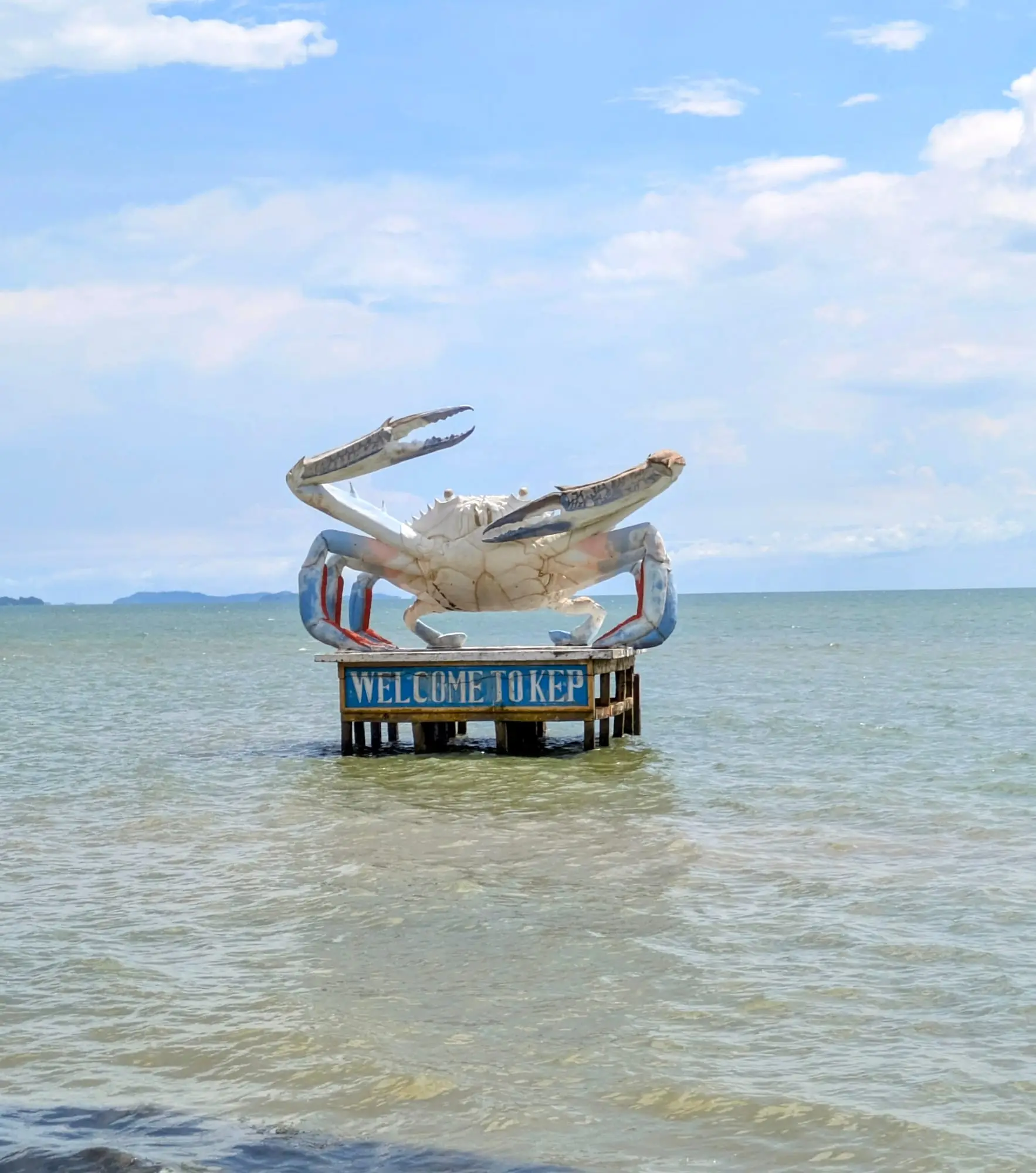
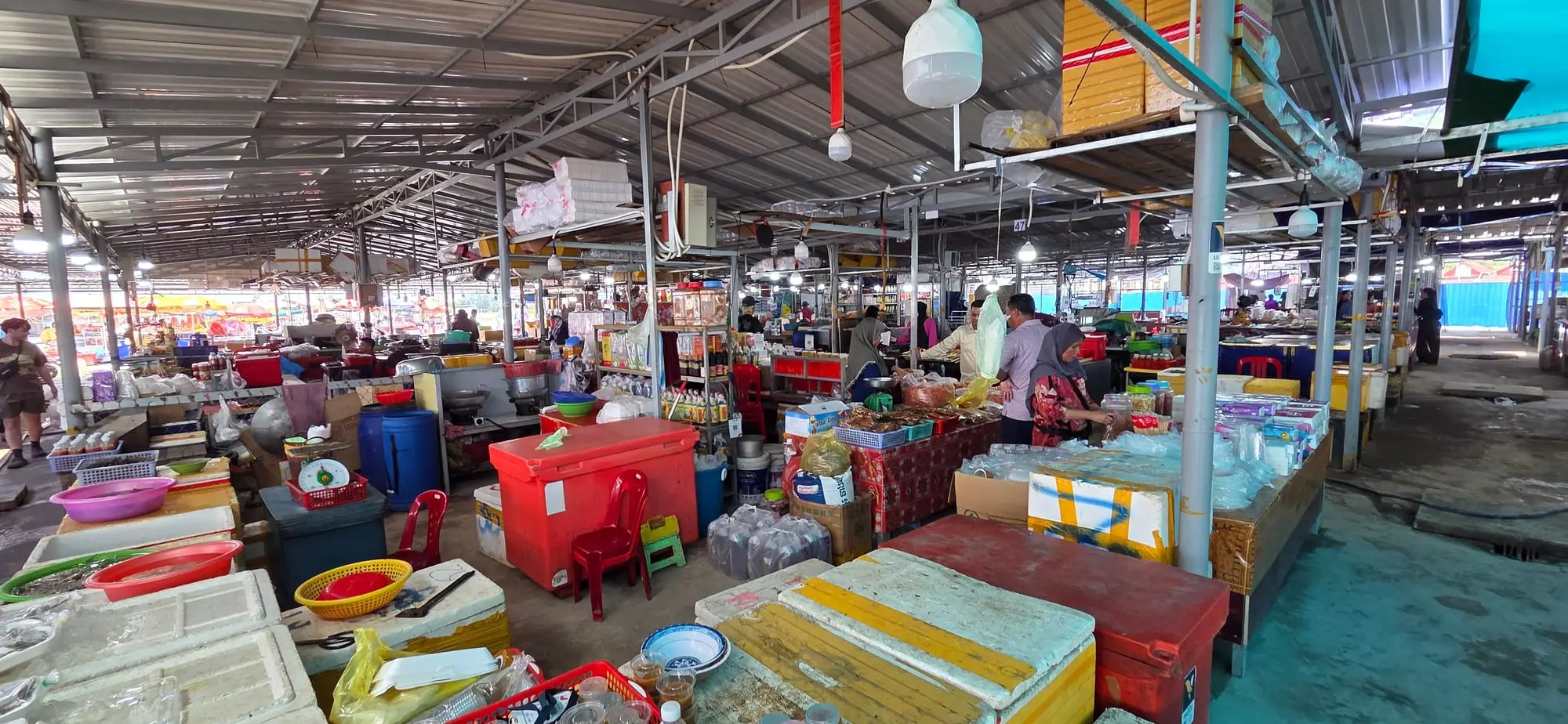
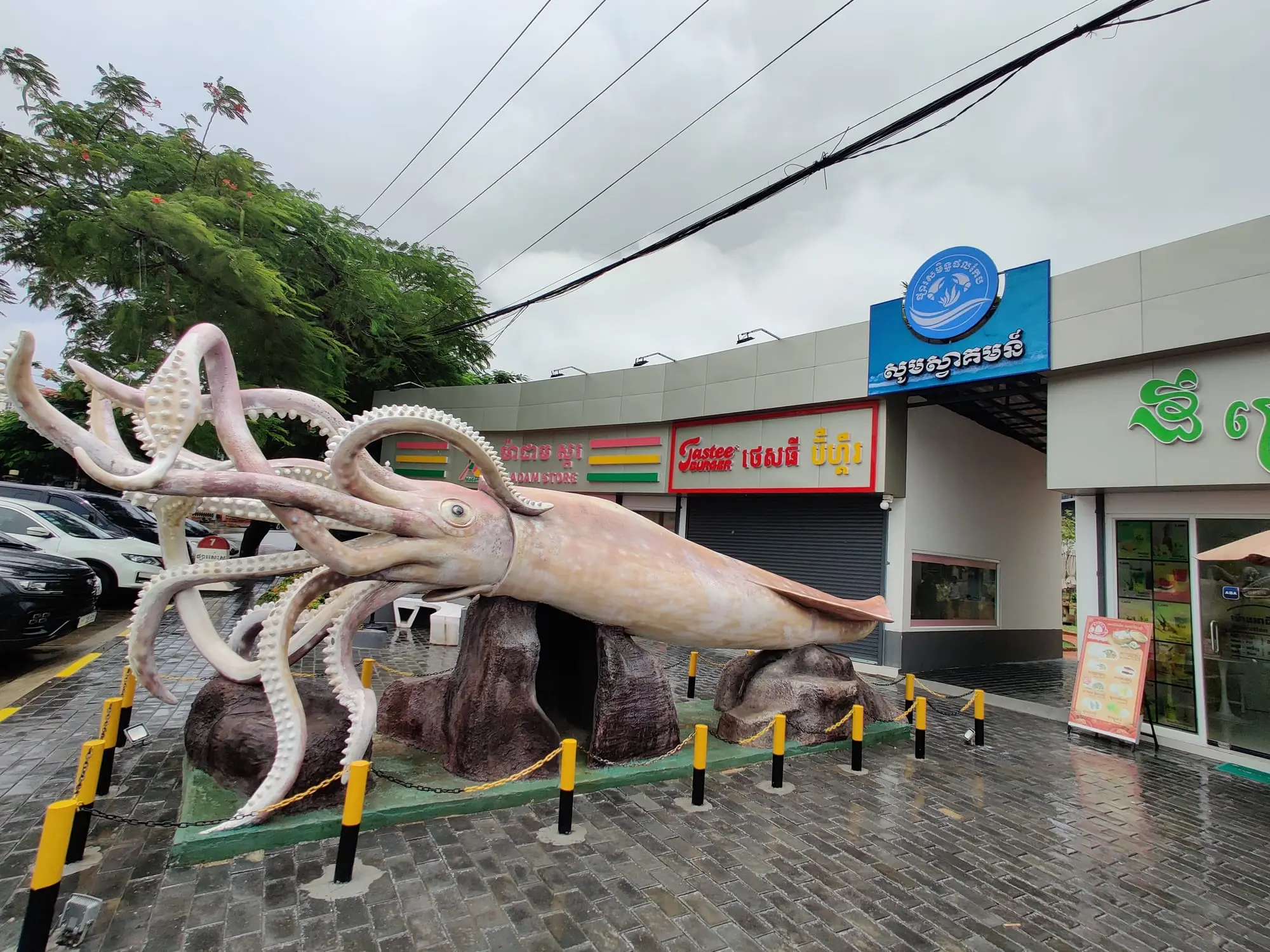
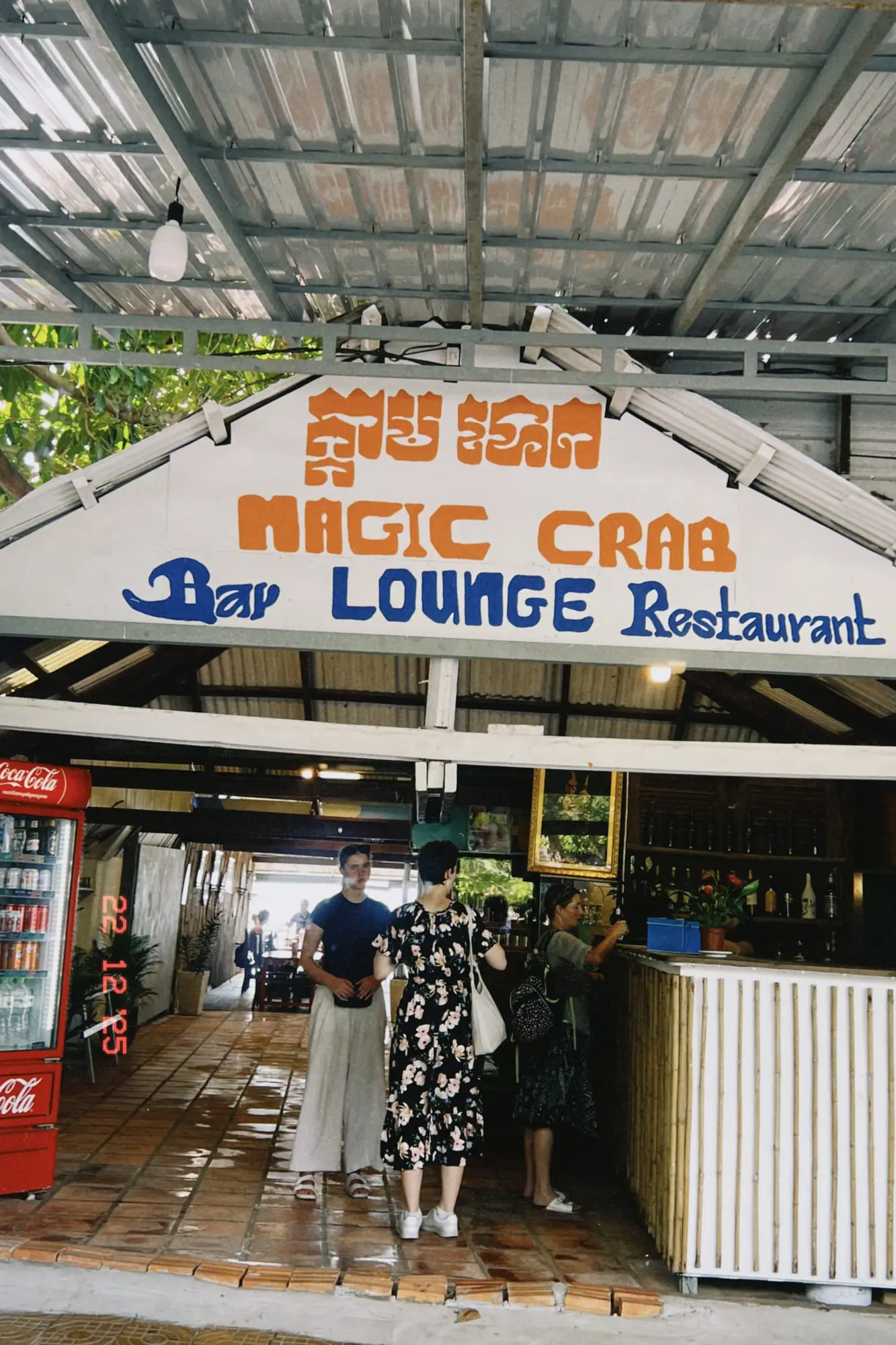
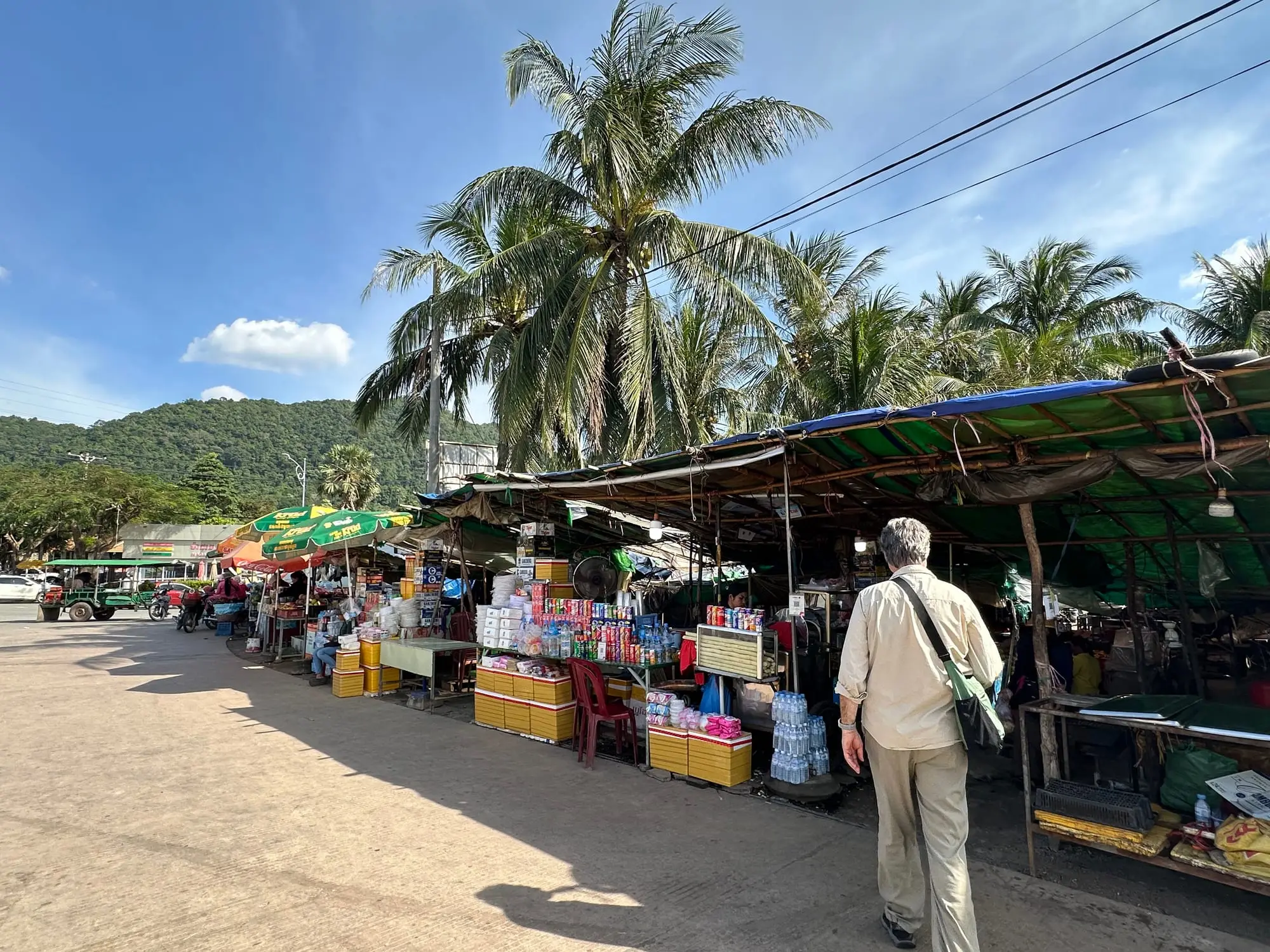
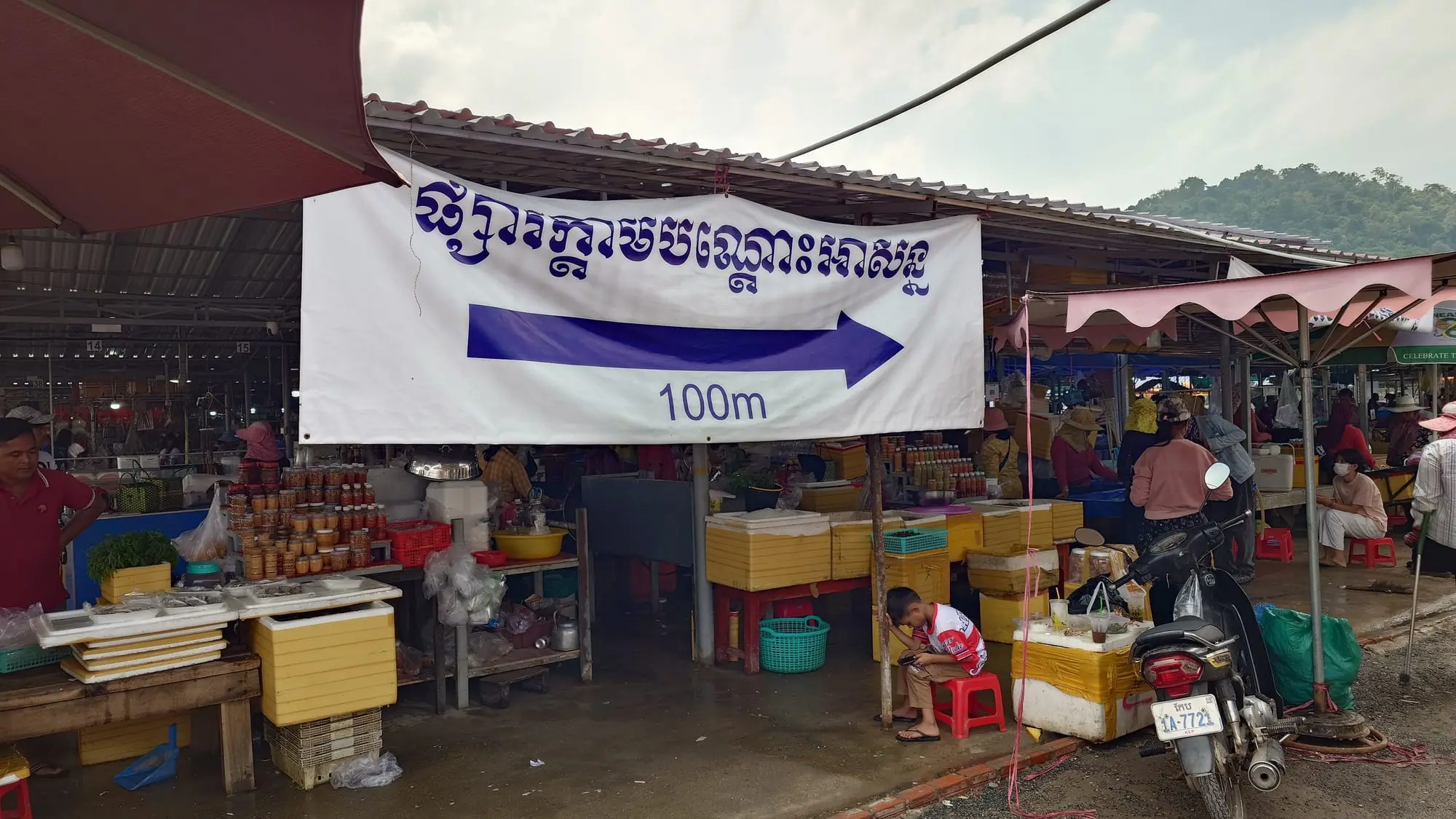
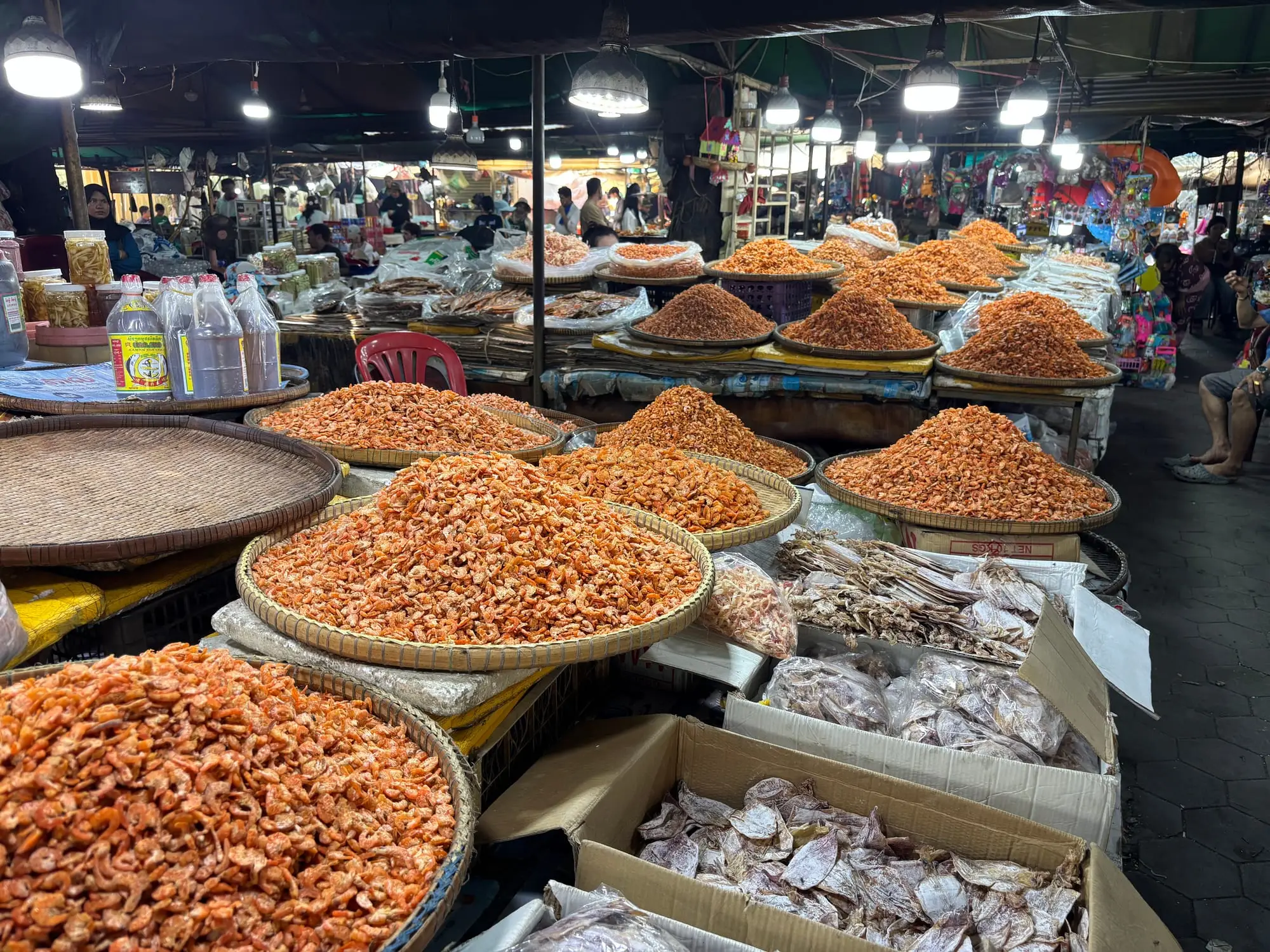
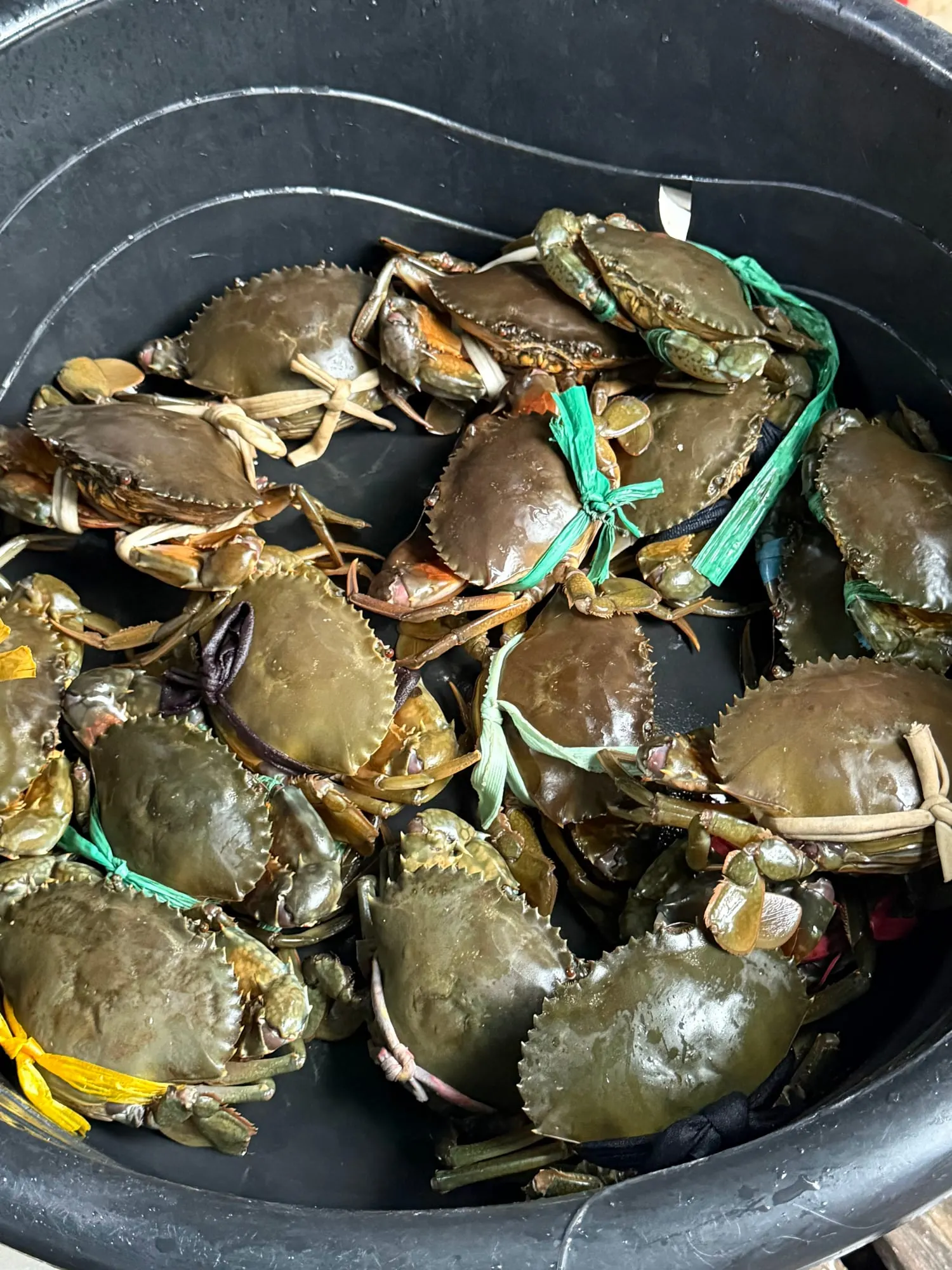
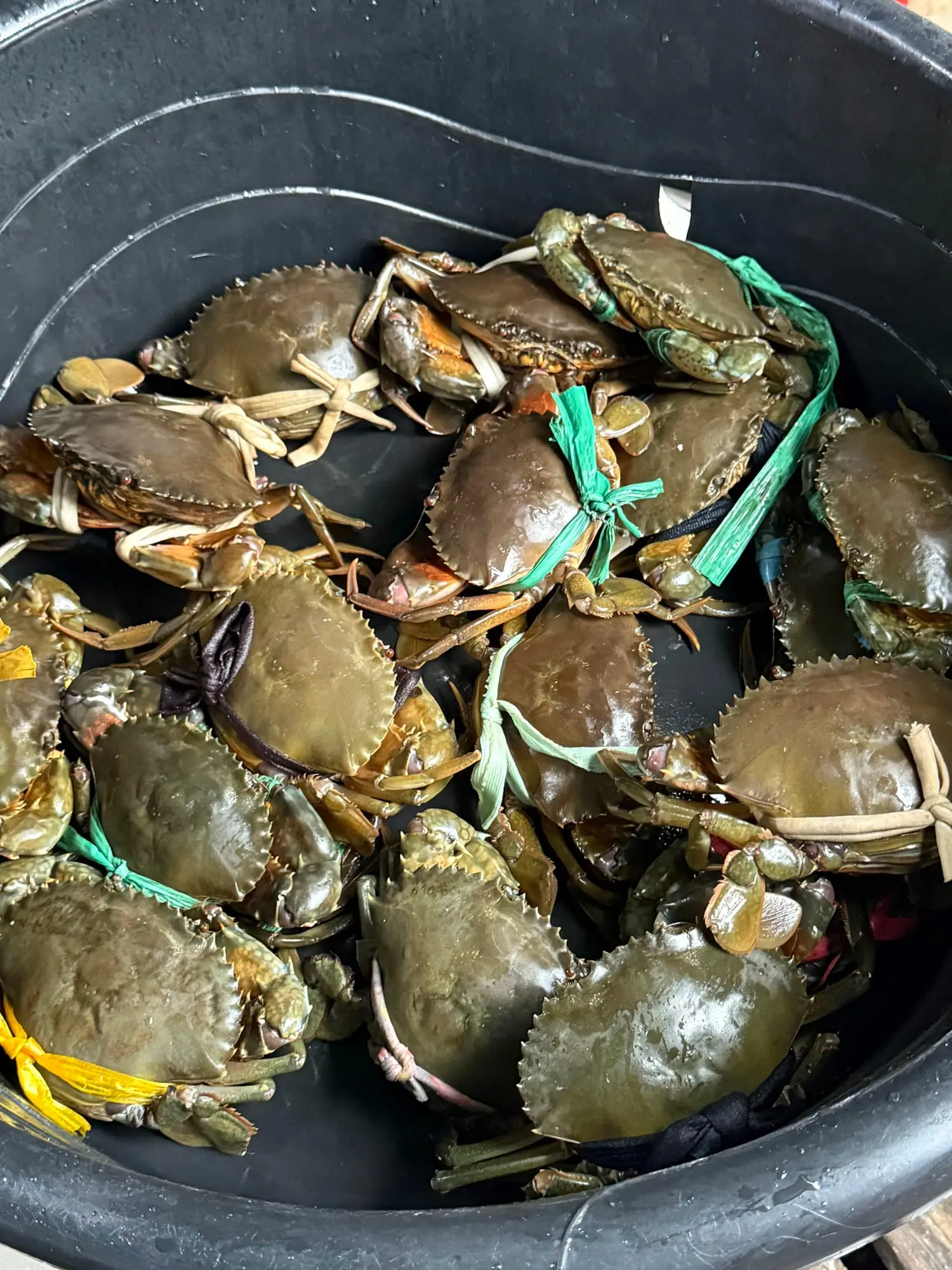
The market is simple and working-class rather than polished. Wooden and tin stalls line the shore; ice boxes hold the day's crab; and just behind the stalls, the giant red 'Crab King' monument has become the town's symbol.

This guide is independent and non-commercial. We describe the place, its history, and its practical details so you can visit with realistic expectations — without promoting any single vendor or business.

History & Significance of Kep Crab Market

Kep's story is tied to Cambodia's coast — from a French-era seaside retreat to a quiet fishing town rebuilt around its crab market.

Early 1900s

A French-era seaside retreat

Under the French Protectorate, Kep (then promoted as 'Kep-sur-Mer') was developed as a coastal resort for French administrators and Cambodian elites. King Sisowath and later King Norodom Sihanouk kept villas here, and the hills above the bay filled with summer residences.

Mid-20th century

Cambodia's fashionable coast

In the decades before the war, Kep was one of the country's most stylish beach destinations. Alongside the resorts, local fishing grew, and crab and seafood from the bay became part of daily coastal life.

1970s

War and decline

The civil conflict and the Khmer Rouge period brought heavy damage to Kep. Many villas were abandoned or destroyed, and the town's role as a resort faded for years.

Late 1990s

The Crab Monument

As Kep recovered, the town raised a giant crab statue — locally known as the 'Crab King' — at the entrance to the seafood market. It quickly became the symbol of Kep's identity and its crab trade.

Today

A calm eco-tourism stop

Peaceful and green, Kep is now known for slow travel, the national park, the islands, and above all its crab market — the place most visitors remember.

This historical overview is compiled from public sources and may differ in detail. Verify locally before you travel.

Culture, Cuisine & Local Life

The market is more than a place to buy seafood — it is the living centre of Kep's coastal culture.

🦀

Kep pepper crab

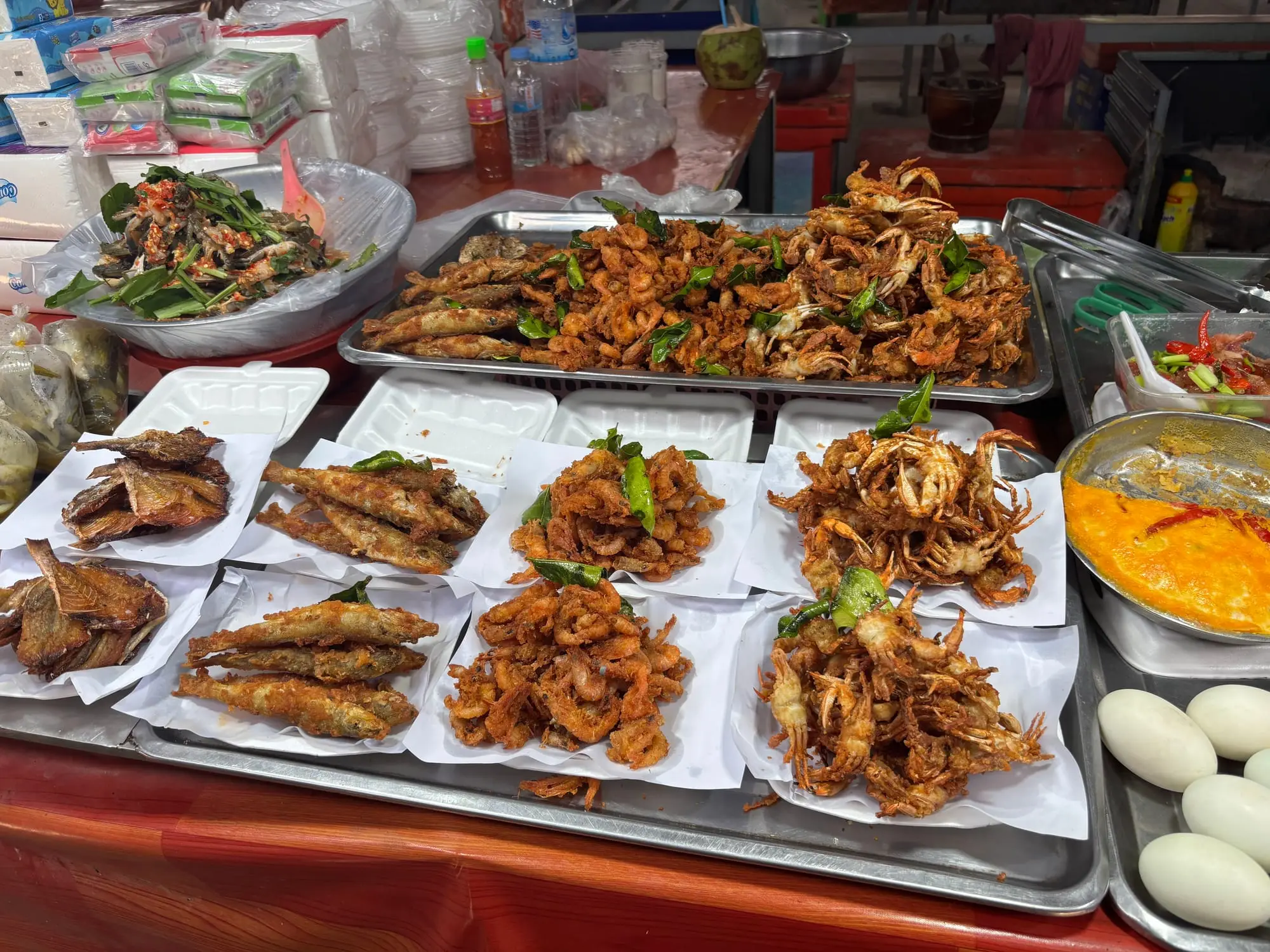
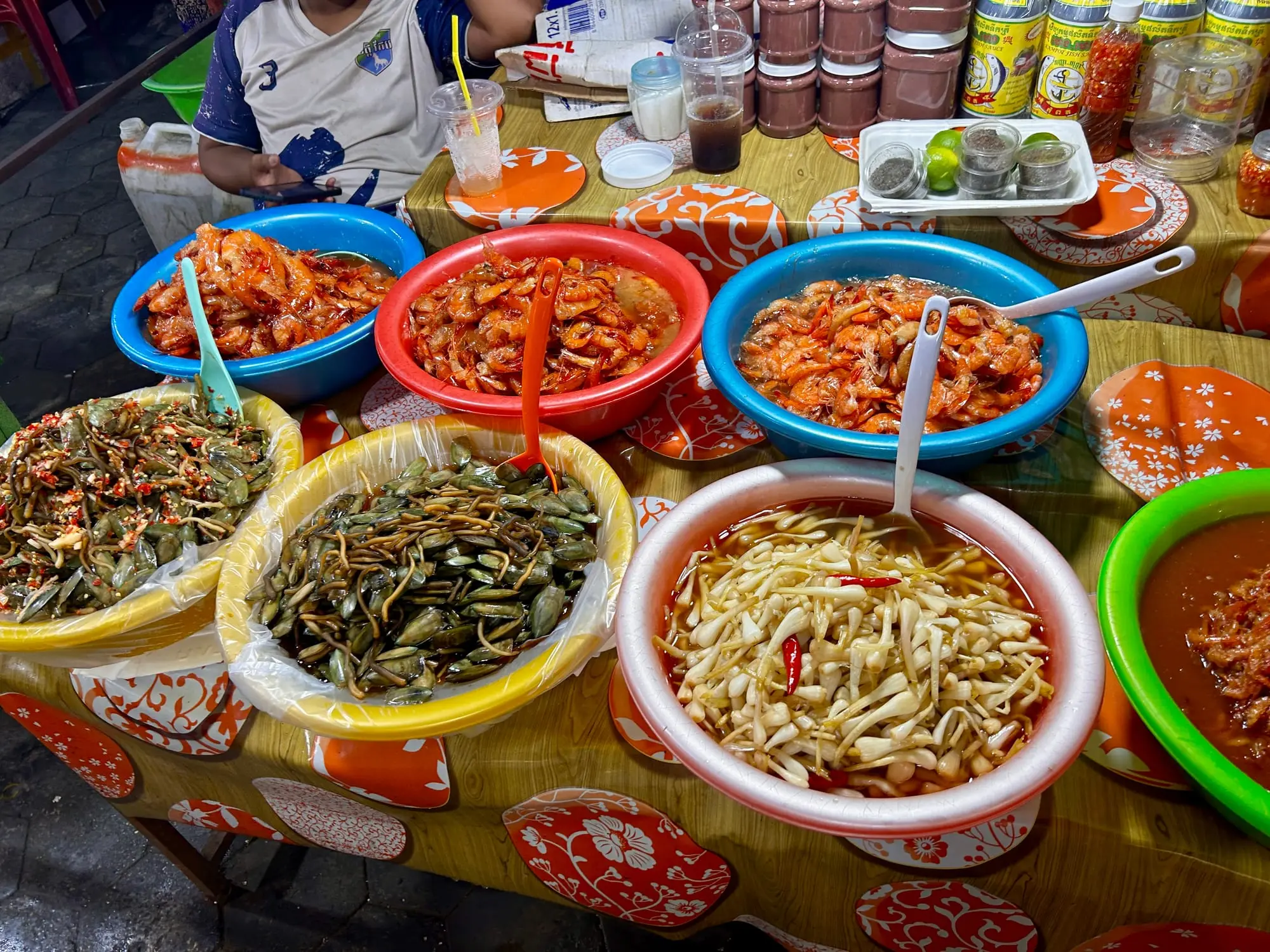
The signature dish: local crab stir-fried with Kampot pepper. Kampot pepper is a protected Geographical Indication of Cambodia, and the pairing is one of the country's best-known coastal flavours.

🎣

A fishing community

Generations of local fishers work the inshore waters in small boats, landing crab and seafood at first light. The market reflects a working, close-to-the-sea way of life.

🌾

From sea to table

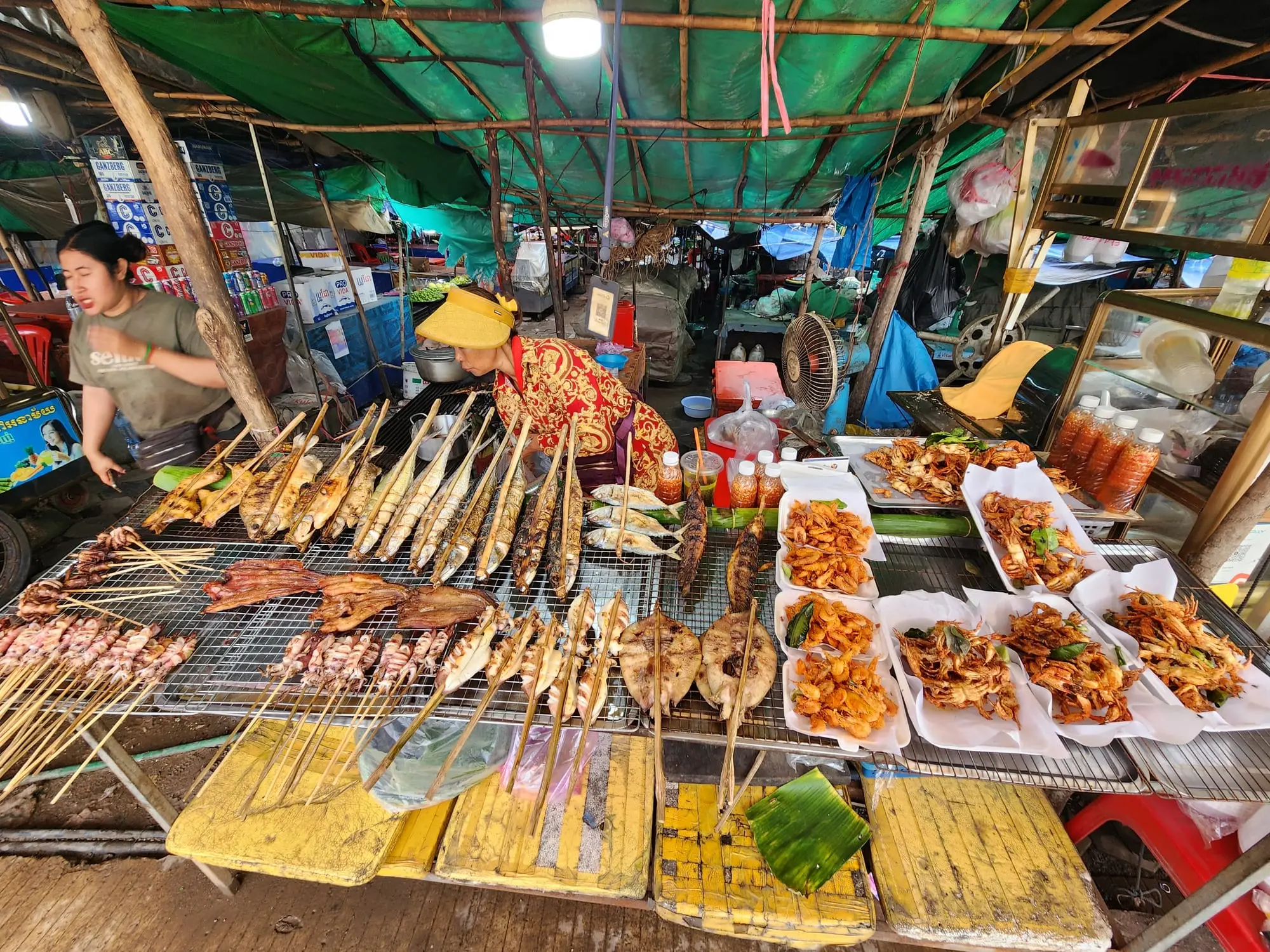
Visitors can buy live crab and have it cooked nearby, or simply watch the catch move from boat to stall — an open window on the local food chain.

🪸

Coastal ecology

Kep sits on the Gulf of Thailand. Its waters support mud crab and blue swimmer crab, and the nearby mangroves and reefs are part of a fragile marine environment worth protecting.

🦀

The 'Crab King' and its meaning

The giant red crab statue that guards the market is often called the 'Crab King' by locals and visitors alike.

More than a photo spot, it is a civic symbol: the crab represents the sea's generosity and the town's recovery after difficult years. For many in Kep, the statue marks the moment the town chose to rebuild its identity around the ocean that feeds it.

Stories told by local vendors mix fact and fondness — some say the crab brings good luck to the fishing families, others simply smile and call it 'the king of Kep'. Whether legend or local pride, it captures the spirit of the place.

Landmarks & Attractions Around Kep Crab Market

Kep is compact, so the crab market pairs naturally with a few other coastal stops within a short ride.

When visiting Kep Crab Market, visitors can easily explore surrounding historical landmarks and points of interest, including Kep National Park and Rabbit Island (Koh Tonsay).

🌳

Kep National Park

A green hill park above the bay with a viewpoint, a coastal forest trail, and the old 'Sunset Road'. A short drive from the market.

≈ 10 min drive
🏝️

Rabbit Island (Koh Tonsay)

A quiet island with sandy beaches, reached by a short boat trip from the islands pier. Popular for a half-day swim and relax.

Boat from Kep pier
🌶️

Kampot pepper farms

In nearby Kampot, family farms grow the protected Kampot pepper that defines Kep's famous crab dish. Tours and tastings are available.

≈ 40 min from Kep
🏖️

Kep Beach

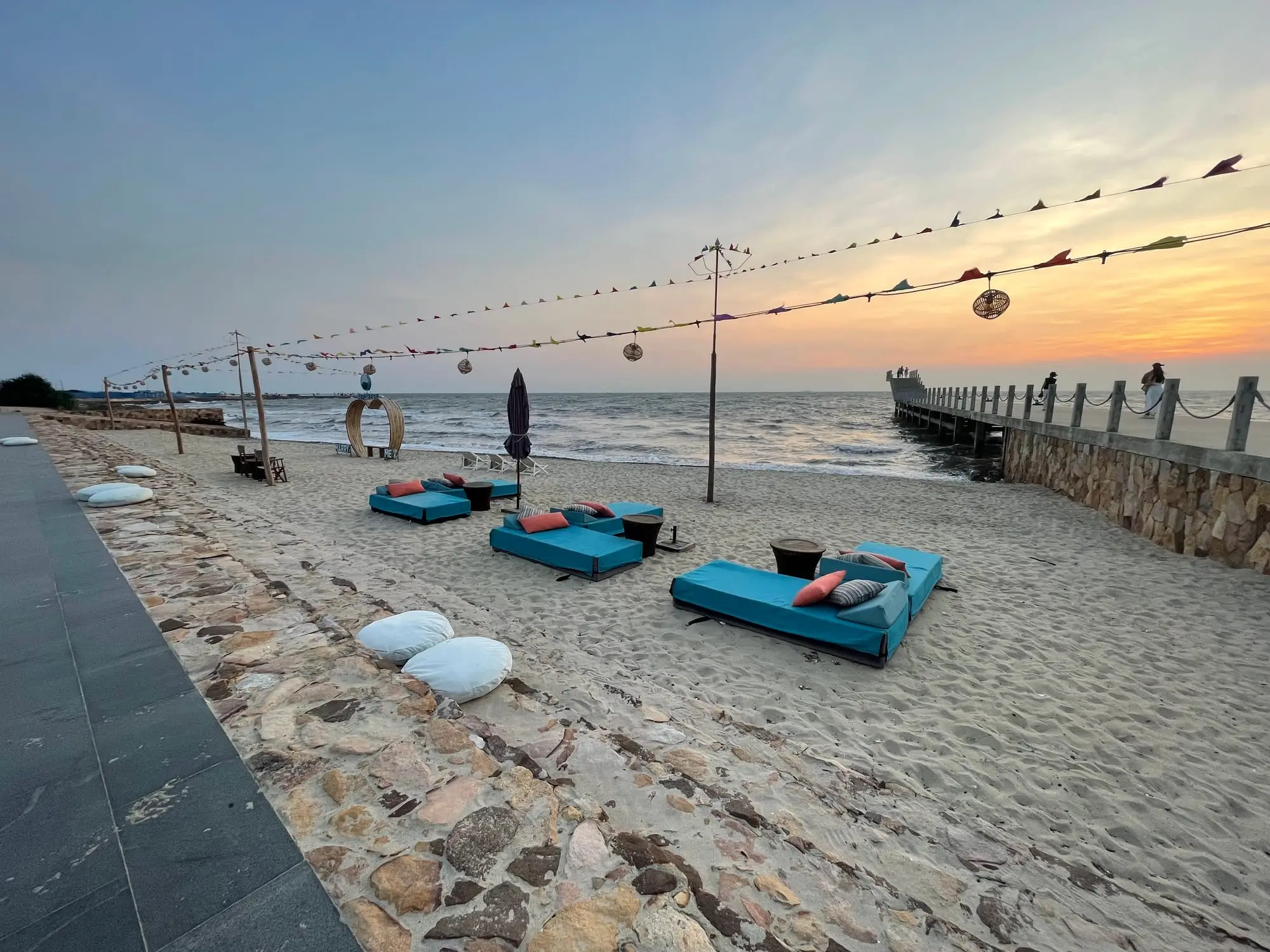
A calm public beach near the old resort area, good for a stroll and sunset. Simple and uncrowded compared with bigger beaches.

≈ 5 min drive

Why Visit

A few things that make Kep Crab Market worth a stop on a Cambodia coast trip.

🦀

Fresh crab

Crab landed the same morning, sold live by weight — the reason most people come.

🌅

Morning atmosphere

Arrive at dawn to see the catch arrive, the stalls set up, and the town wake up.

🍳

Cook-it-yourself

Buy live crab and have a nearby eatery cook it, often with Kampot pepper.

📸

The Crab King

The giant crab monument at the entrance is Kep's most-photographed landmark.

Best Time to Visit

Kep is warm year-round, but the experience changes with the seasons.

☀️

Dry season (Nov–Apr)

Cooler, sunny days and calm seas — the most comfortable time to walk the market and coast. Expect more visitors from December to February.

🌧️

Green season (May–Oct)

Fewer crowds and lush scenery, but afternoon showers and rougher water. Mornings are usually clear.

🦀

Crab availability

Crab is sold year-round, but many locals say the meat is fullest around the drier months.

A Simple Visit Plan

How long to stay

Most visitors spend 1–2 hours at the market, often combined with a morning in Kep National Park or an afternoon on the islands. Kep works well as a half-day stop between Kampot and the coast.

Morning at the market

  1. 1 Arrive around 07:00–08:00 to see the catch land and stalls set up.
  2. 2 Walk the shore and compare what is on ice that day.
  3. 3 Buy crab and have it cooked nearby with Kampot pepper.
  4. 4 Photo the 'Crab King' monument before the heat builds.

Half-day Kep loop

  1. 1 Start at the crab market for breakfast and photos.
  2. 2 Drive up Kep National Park for the viewpoint and forest trail.
  3. 3 Head to the islands pier for a boat to Koh Tonsay (Rabbit Island).
  4. 4 Return for sunset along the seafront promenade.

Recommended routes

Two ready-made outlines: a half day that fits neatly between Kampot and the coast, and a full day that takes in the market, the forest and the islands.

Half day — market, waterfront and the park

About 3–4 hours

Travellers passing through, or anyone with an afternoon departure.

  1. 06:30 Arrive before the boats finish unloading. The light is soft, the market is calm and you can watch the catch come ashore.
  2. 07:30 Breakfast from the stalls — grilled squid, crab soup or noodles — then a slow walk along the waterfront.
  3. 08:30 Photograph the 'Crab King' monument and the fishing boats, then choose crab to be cooked while you wait.
  4. 09:30 Eat your crab at a shaded table with Kampot pepper and lime.
  5. 10:30 Optional: drive up to Kep National Park for the ridge walk and viewpoints, then return along the seafront.

💡 Heat and coach groups both peak between 10:00 and 14:00, so the earlier you start, the calmer the visit.

Full day — market, forest, island and sunset

About 8 hours

Visitors staying overnight in Kep or Kampot with their own transport.

  1. 06:30 Start at the market for the landings and breakfast.
  2. 08:30 Walk or cycle the seafront promenade past the white horse statue and the old villa ruins.
  3. 10:00 Boat across to Koh Tonsay (Rabbit Island) — roughly 20–30 minutes in each direction.
  4. 12:30 Lunch on the island, then swim off the beach and rest in the shade.
  5. 15:00 Return to the mainland and cool off; buy pepper or palm sugar from local sellers.
  6. 16:30 Kep National Park: the ridge loop and its café viewpoint are the classic late-afternoon route.
  7. 18:00 Sunset back at the waterfront, then a simple seafood dinner near the market.

💡 Boat services wind down in the late afternoon. Confirm your return crossing when you buy the ticket, and build in slack during the wet season.

Visit plans by traveller type

The market suits very different kinds of visitors, but the best timing and pace change completely with your group, your mobility and what you came to see. Pick the plan that matches you.

Families with children

Best time:
Early morning, 06:30–09:00
Suggested pace:
Slow — 1.5 to 2 hours at the market
  • Come before the heat and before the tour buses; there is far more space to move.
  • Watch the boats unload — it is the most engaging part of the visit for children.
  • Buy crab that is already cooked at a stall so there is no long wait with hungry kids.
  • Keep children away from the water's edge, the hot grills and moving motorbikes.
  • Bring hats, drinking water, wet wipes and a change of clothes.

Photographers & nature lovers

Best time:
First light, 05:45–08:00, and again 16:30–18:30
Suggested pace:
Flexible — 2 to 4 hours
  • Dawn gives the softest light and the busiest working scene on the quay.
  • Ask before photographing people close up, and respect fishers handling knives and ice.
  • Low tide exposes the mudflats — a completely different subject from the boats.
  • Pair the market with the Kep National Park trail for forest birds and butterflies.
  • Carry a rain cover: showers arrive fast in the green season.

Lower mobility & accessibility

Best time:
Mid-morning on a weekday
Suggested pace:
Short — 45 to 90 minutes, with seating breaks
  • Approach along the seafront road, which is flat and paved, rather than through the narrow inner lanes.
  • Expect uneven concrete, loose gravel, awkward steps and stretches without handrails.
  • Waterfront-side restaurants generally offer easier access and seating than the inner stalls.
  • A private car or tuk-tuk can drop you close to the entrance — ask the driver to wait.
  • Avoid the wet season, when surfaces turn slippery, and travel with a companion where possible.

Getting There

Kep is small and easy to reach. The market is on the waterfront of Kep town.

🚐

From Phnom Penh

Around 170 km. Buses and shared taxis run to Kep; a private taxi is faster and more flexible.

  1. 1 Take a bus or shared taxi from Phnom Penh to Kep (≈3–4 hours).
  2. 2 From Kep town, a tuk-tuk or moto reaches the market in minutes.
🚐

From Kampot

About 25 km. Tuk-tuks, taxis, and moto rentals connect Kampot with Kep town and the market.

  1. 1 Hop on a tuk-tuk or taxi from Kampot to Kep (≈40 minutes).
  2. 2 Ask to be dropped at the crab market waterfront.
🛵

Around Kep

Tuk-tuks and rented motos are the easiest way to move between the market, national park, and islands pier.

  1. 1 Rent a moto or hire a tuk-tuk for half a day.
  2. 2 Link the market with the national park and the islands pier.

Nearby Public Facilities

Kep Crab Market is a compact public market by the sea. The following practical services are available in and around Kep town. As an independent, non-profit guide we do not recommend or rank any specific business — we only describe the types of services you may find.

Restrooms

Public restrooms are generally available near the market and along the seafront promenade. Conditions vary; visitors should carry tissue and small change where needed.

Accessibility

The market is mostly open ground but can be uneven, with steps and narrow lanes. Visitors with reduced mobility should visit off-peak and wear sturdy footwear.

Parking

Motorbike and car parking can be found near the market entrance and along the road. Spaces fill up on weekends and public holidays.

Dining

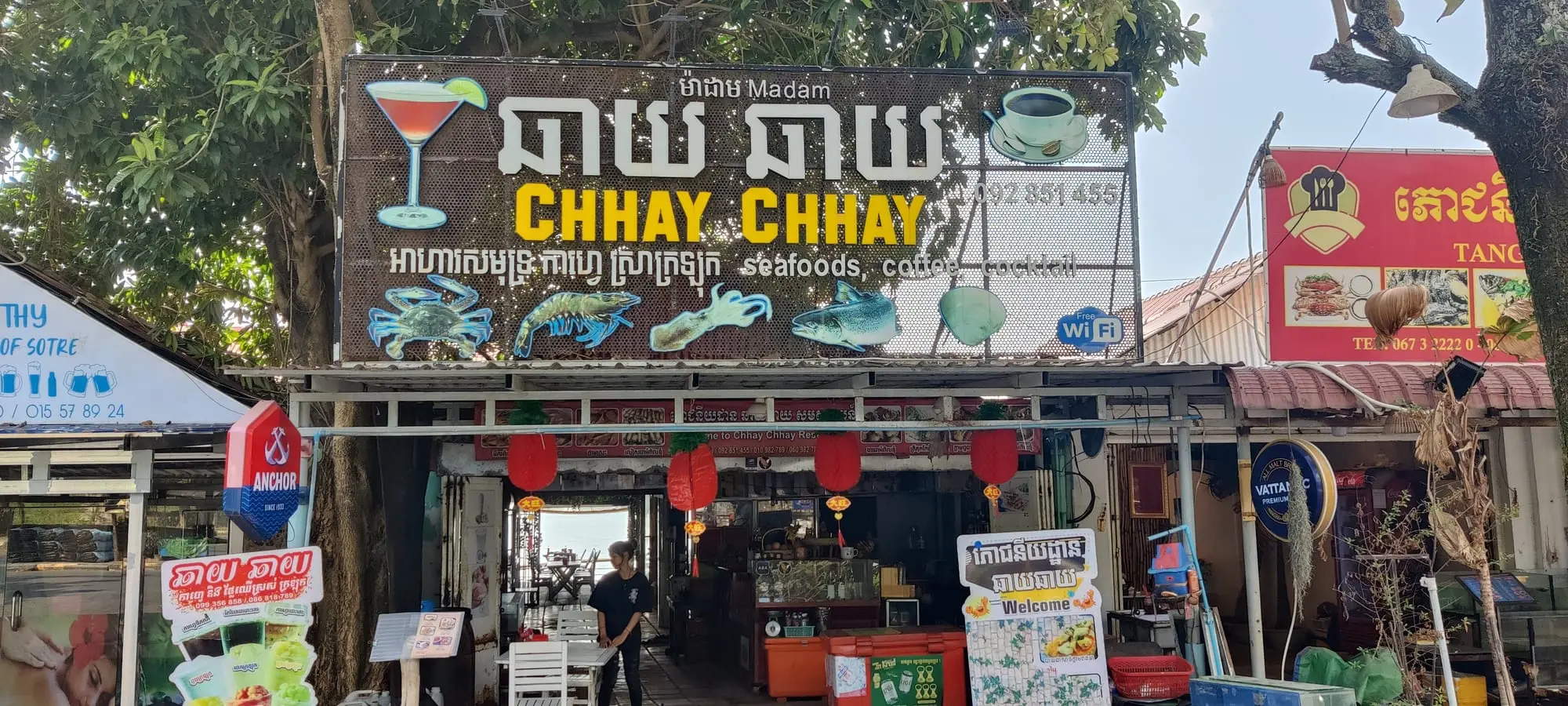
The area offers seafood restaurants, food stalls, and drinks. This site does not recommend specific venues; prices and quality vary, so compare before ordering.

Accommodation

Kep provides seaside resorts, town guesthouses, homestays, and boutique stays. No ranking is given; choose by budget and location.

Supermarkets & groceries

For self-catering, small supermarkets and grocery shops in Kep town sell drinks, snacks, and daily necessities. This site names no specific store.

Convenience & daily stores

Near the market and main road you can find convenience shops, fruit stalls, and travel-supply vendors for short needs.

Fuel & EV charging

Within Kep town, traditional fuel stations serve cars and motorbikes. EV charging is limited — confirm locations and connectors in advance.

ATM & banking

ATMs and banks are available in Kep town for cash withdrawal; carry enough cash as the market area is mostly cash-based.

Pharmacy & medical

Basic pharmacies and a health centre can be found in town for minor needs. For serious issues, plan onward travel to Kampot or Phnom Penh.

Mobile signal & Wi-Fi

Mobile coverage in Kep town is generally usable, strongest along the main road and weaker inside some market buildings. Cafés and guesthouses often offer free Wi-Fi, and prepaid SIM cards can be bought in town if you need mobile data.

Getting around locally

Tuk-tuks, moto-taxis and shared remorque services cover the short hops between the market, the beach and the guesthouse area. Agree the fare before setting off, or use a ride-hailing app where one is available.

Water safety

This is a working waterfront with slippery steps, mooring ropes and moving boats. Swimming at the market itself is not advisable — use recognised beaches instead, and note that lifeguard cover is generally not provided.

Drinking water & refills

Bottled water is sold throughout the market and in nearby shops. Tap water is not for drinking; if you carry a reusable bottle, cafés and guesthouses will often refill it for you.

Families with children

In daylight the market is a lively, open-air place that children tend to enjoy. Hold small children's hands near the water and around hot cooking areas, and bring sun hats, water and a change of clothes.

Valuables & belongings

Keep bags zipped and in front of you in the busy lanes, carry only what you need for the day, and leave passports and spare cash at your accommodation. There is no formal left-luggage service here.

Waste & recycling

Bin provision is limited, so please carry out what you bring in. Avoid single-use plastic where you can, and never discard waste or fish scraps into the sea.

Availability, opening hours and prices change with the season and with individual operators. This page describes the types of facilities that typically exist and deliberately names no business — please verify details locally before relying on them.
Weather, Live Advice & 7-Day Outlook

Live readings for the market itself, translated straight into what to do about them: what to wear, how to plan the day, what to pack, and which coastal or hill cautions apply right now. The seasonal picture for choosing when to visit follows below.

Temperature

Daytime highs usually sit around 28–32°C year-round; evenings are a little cooler near the coast.

Rainy season

From May to October, showers are common, often in the afternoon. Mornings are usually clear.

Dry season

From November to April, days are sunny and seas are calm — the most comfortable time to visit.

What to wear

Light, breathable clothing, a hat, and sunscreen. A light rain layer helps in the green season.

Seasonal visit strategy

Kep runs on a strong wet/dry rhythm, and the sea, the catch and the wildlife all shift with it. The table below combines climate, coastal water conditions and marine life so you can choose the season that matches the visit you want.

Seasonal visit strategy
Season Climate Sea & water Wildlife & catch How to plan
Cool dry season November – January The northeast monsoon brings the driest, most comfortable stretch of the year. Days sit around 26–31°C and nights can fall to about 20°C, with very little rain. Seas are usually slight to calm and coastal water is at its clearest; with little rainfall there is less sediment and nutrient run-off from the land. Fishing boats return in numbers through the early morning and mud crabs (Scylla) are at their fullest; herons, egrets and terns feed across the mudflats and mangrove edges. The best all-round season — comfortable for a full day of market and waterfront time. Mornings can feel cool, so a light layer helps, and you still need to drink water regularly.
Hot dry season February – April Temperatures climb to the annual peak, with afternoons commonly 32–35°C and a humid, close feel. Thunderstorms can break through around April. The sea is generally calm but mid-day ultraviolet is at its strongest, and surface water temperatures reach roughly 30°C. Crab is sold all year, though landings swing with season and tide. Intertidal life is quieter during the middle of the day as the flats bake. Front-load the day: visit between 06:00–10:00 or after 16:00, and avoid the midday sun. Carry more water than you think you need and use sun protection.
Early green season May – July The southwest monsoon establishes itself, afternoon showers become frequent and humidity rises sharply. Temperatures stay around 27–32°C. Wind and coastal sediment increase, so the water turns murkier after heavy rain — especially near river mouths where fresh water pushes out over the sea. Early rains are a nursery period for many coastal fish, with mangroves and seagrass beds acting as shelter for juveniles — the reason these habitats matter for the local fishery. Mornings are usually still clear, so arrive early. Carry rain gear, and take care on wet boardwalks and market floors, which turn slippery.
Peak wet season August – October The heaviest and most frequent rain falls now, often in short intense bursts, with temperatures around 26–31°C. Rain eases again during October. Stronger wind and swell reduce coastal visibility, and boat services may be adjusted or cancelled at short notice. Rain washes nutrients into the bay and inshore productivity rises, but during the worst weather seabird and shore activity drops away. Check boat sailings and road conditions before setting out and keep your schedule flexible. Waterproof bags, and a covered seafood meal at the market, are the sensible plan.

Seasonal guidance combines 1991–2020 long-term monthly climate averages (temperature, rainfall and wind) with published regional marine and coastal ecology references, and is intended for trip planning only. For any given day, trust the live readings at the top of this section and any local notices at the market.

Tides at Kep

Kep faces a shallow, semi-enclosed gulf, where the water makes roughly one high and one low a day — each about 50 minutes later than the day before. The tide is the real clock on this waterfront: it decides when the boats come in, when the mudflats appear and when the quay is at its best.

Reading the water

The range here is small by global standards — often under a metre — but everything on this waterfront still runs on it.

At high water

The water reaches the steps and the shallows fill. This is when the quay is busiest: boats come alongside, ice is unloaded and the morning's catch changes hands. It is also the only time the shallows hold enough water to swim.

At low water

The sea pulls back to leave a broad apron of mud and rock. Herons, egrets and terns work the exposed ground, and you can walk out over seabed that floated boats an hour earlier. Wear shoes you do not mind losing to the mud.

Spring and neap tides

Around the new and full moon the sun and moon pull together and the month's widest ranges arrive; a week later the two pulls cancel out and the ranges collapse. On a neap day, high and low water look much the same.

Why the times keep moving

The moon rises about 50 minutes later each day, so high and low water arrive about 50 minutes later too, drifting all the way round the clock over a month. Never carry yesterday's time over to today.

Tide words, briefly

The handful of terms a tide table assumes you already know.

High water
The highest level the water reaches in a cycle — the top of the tide.
Low water
The lowest level, when the most shore is exposed.
Slack water
The brief pause at high or low water when the current stops and reverses. Usually the calmest and safest water of the day.
Tidal range
How far the water travels between high and low. Around Kep it is often under a metre — still enough to empty or fill the quay's working edge.
Diurnal tide
One high and one low water a day, which is what the Gulf of Thailand mostly does — unlike the twice-daily pattern most tide apps assume.
Spring and neap tides
The widest ranges of the month, around the new and full moon, and the narrowest, about a week later. Nothing to do with the season.

Heights are predictions from a global tidal model, referenced to mean sea level rather than to a local chart datum, and they are not corrected against a tide gauge. Treat the times as accurate to roughly 15 minutes and the heights to a few centimetres. For anything that matters — a walk out onto the flats, a boat trip, wading near the rocks — check the water against the shore yourself before you commit.

Ecology, Science & Visitor Responsibility

The market is the visible end of a much larger system: a shallow tropical bay, its mudflats, mangroves and seagrass beds, and a fishing economy that has worked this coastline for generations. This section explains what you are looking at, and what visiting responsibly means in practice.

The coastal system behind the market

The mud crab

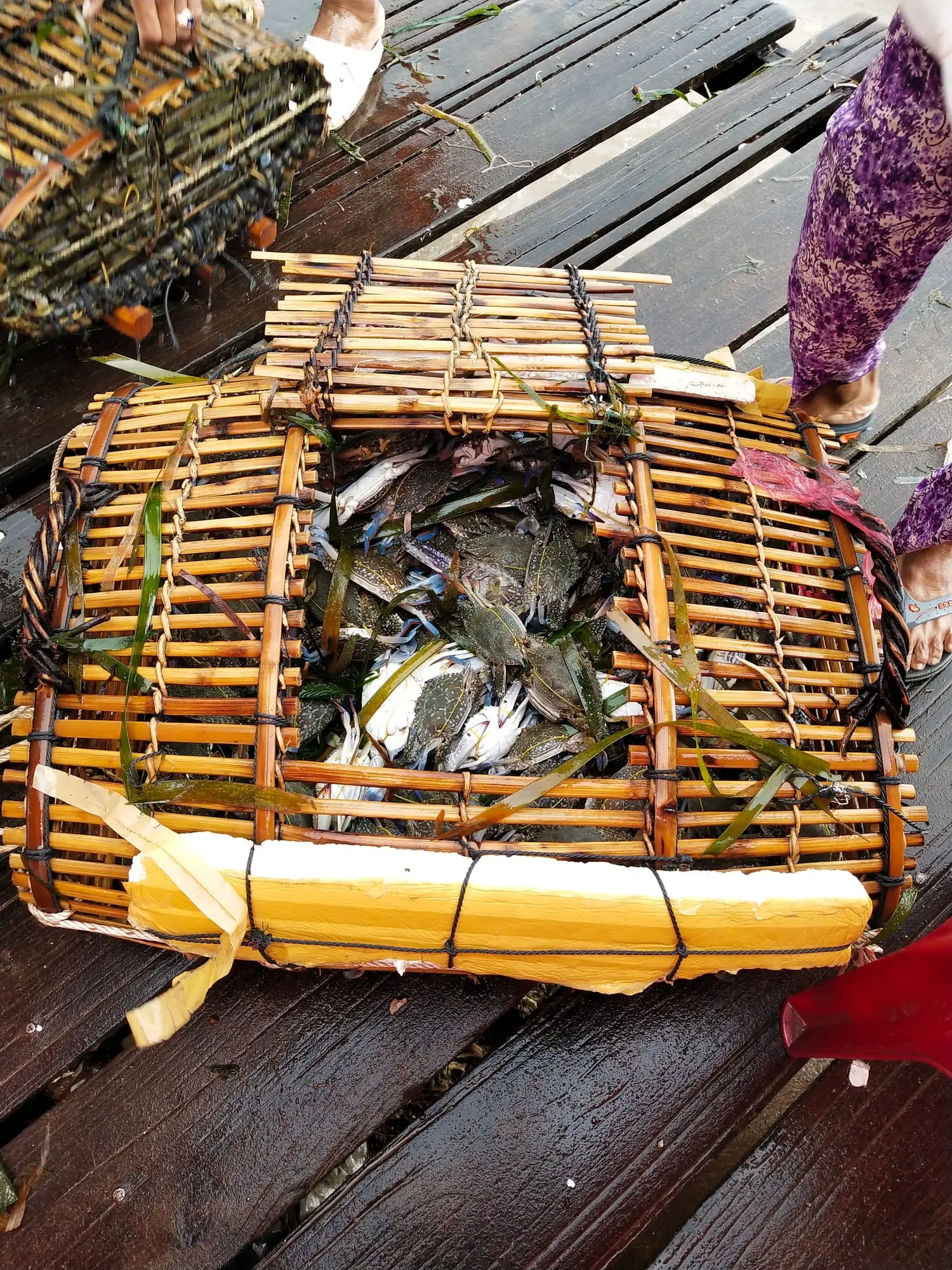
The crabs sold here belong to the genus Scylla — broad-shelled, heavy-clawed animals that burrow into mudflats and mangrove roots rather than swimming in open water. They grow by moulting, and the short window right after a moult produces the soft-shell crab that is prized as a delicacy.

Most are taken with baited traps and gill nets set in the shallows and lifted on the tide, which is why the market's rhythm follows the tide table rather than the clock. Across much of Southeast Asia fishers avoid selling egg-bearing females; local practice varies, and asking is the easiest way to learn what applies here.

Mangroves & seagrass

Strips of mangrove forest and shallow seagrass beds still run along this coast, and both work as nurseries. Juvenile fish, prawns and crabs shelter among the roots and blades until they are large enough to move into open water.

That link is direct: a large share of the commercial catch in this bay began its life in one of those two habitats. Seagrass is also the main food of the dugong, which still survives in small numbers in the wider Gulf of Thailand.

Tides, seasons & water quality

The Gulf of Thailand is shallow and semi-enclosed, which gives it a strong seasonal rhythm. Through the dry season little rain reaches the bay, so coastal water stays comparatively clear. In the wet season, run-off carries sediment and nutrients offshore — productivity rises while visibility falls.

Tidal range here is modest by global standards, but the tide still decides when boats go out, when the flats are exposed and when the best of the catch arrives. It is the single best explanation for why the market looks like a different place at 07:00 and at 17:00.

Birds & coastal wildlife

At low tide the mudflats and the mangrove edge are busy: herons, egrets, terns and kingfishers are routine, with gulls overhead and the occasional raptor. Immediately inland, Kep National Park adds forest species and butterflies.

In the water you may see crabs, squid, prawns and reef fish. Nothing here is aggressive by nature, but stonefish, sea urchins and jellyfish all occur in Cambodian coastal waters — a good reason to keep footwear on around rocks and never to handle an animal you cannot identify.

Kampot pepper and the protected name

Kampot pepper, grown in the surrounding province, became the first Cambodian product to win protected geographical indication status, recognised in 2010. The crop depends on the same free-draining soils and coastal humidity that shape Kep's farmland.

Almost every crab dish here is built on it: pepper, lime, garlic and a little sugar. That single plate is a neat summary of the local economy — the sea, the farms inland and a protected regional product, all in one serving.

Why Kep looks the way it does

Kep was laid out in the early twentieth century as a French colonial seaside resort, and the hillside above the market is still scattered with abandoned modernist villas from that era, left empty through the 1970s and after.

The contrast is the most distinctive thing about the town: a working fishing market at sea level, derelict villas above it, and a seafront that has been lived in, lost and rebuilt rather than purpose-built for visitors. Walking between the two is a good half-hour of history.

Visitor responsibility

None of the following is exotic or difficult — it is simply what keeps a working market worth visiting.

Buy at a fair price

Bargaining is normal here but the margins are thin. Settle the price before the cooking starts, and remember you are negotiating with the person who caught it.

Look, don't handle

Live crabs, squid and fish are someone's livelihood, and they can bite, spike or spoil. Never pick up stock unless you are invited to.

Refuse undersized or restricted animals

Do not buy very small crabs, egg-bearing females, or any species you are told is restricted. Declining is the most effective pressure a visitor can apply.

Stay clear of working areas

Ice blocks, knives, mooring ropes and moving motorbikes are the real hazards. Watch your feet and keep out of the way of people carrying loads.

Take your waste with you

Bins are limited. Carry out bottles, bags and shells — and never throw anything, including fish scraps, into the sea.

Don't feed the wildlife

Feeding birds and animals changes their behaviour at the expense of their health, and it is the fastest way to turn a wild place into a dependent one.

Ask before photographing people

A gesture and a smile is usually enough. Respect anyone who declines, and avoid photographing children without a parent's agreement.

Keep your voice and pace low

This is a workplace, not a stage. Stepping aside, speaking quietly and not blocking the quay costs nothing and is genuinely appreciated.

This section is written for general orientation rather than as a scientific or legal reference. Species, ecological relationships and local practices vary, and rules on fishing and protected species are set by the relevant authorities. For authoritative detail, consult Cambodia's fisheries and environment agencies, or published research on the Gulf of Thailand.

Visitor Tips

Go early

Arrive in the morning for the freshest catch, cooler temperatures, and fewer crowds.

Footwear

The market is practical and can be wet or slippery — sandals or sturdy shoes are best.

Cash

Bring small bills; the market runs largely on cash, and cards are rarely accepted.

Photos

Ask before photographing vendors or their catch — a little courtesy goes a long way.

Location & How to Visit Kep Crab Market in Kep

Kep Crab Market on the waterfront of Kep town, Kep Province.

For official updates and regional tourism information, visit the Cambodia Ministry of Tourism official tourism portal. ↗ Cambodia Ministry of Tourism — Official Tourism Portal

📌 10.4888976, 104.2862596

🗺️ Open in Google Maps

Kep Crab Market Reviews & Ratings (Google Maps)

The rating below is cited from the Google Maps listing for Kep Crab Market and is refreshed periodically. Individual review texts are not copied here — follow the link to read them in full on Google Maps.

4.1 out of 5
Google Maps rating
5,618
Google Maps reviews
Seafood market
Category
Rating and review count synced from Google Maps user reviews · September 2026 · View all reviews on Google Maps ↗

Synced from Google Maps user reviews, snapshot September 2026; copyright remains with the original reviewers and Google Maps.

Sources & Attribution

This independent guide cites the public sources listed below, with the attribution and rights statement for each item.

Ratings & reviews Synced September 2026

Synced from Google Maps user reviews, snapshot September 2026; copyright remains with the original reviewers and Google Maps.

Location & coordinates 10.4888976, 104.2862596 · F7QQ+HG4
Historical background Synced September 2026

This historical overview is compiled from public sources and may differ in detail. Verify locally before you travel.

Images

All images displayed on this website remain the property and copyright of their original photographers.

Google Maps links and rating data are used in accordance with Google's Terms of Service. The rating snapshot is displayed for information only and does not imply any endorsement.

Frequently Asked Questions

Where is Kep Crab Market?

It sits on the waterfront of Kep town, Kep Province, Cambodia — on the Gulf of Thailand coast. The exact location is marked on the map below and in the page footer.

What are the opening hours?

The market operates roughly from 05:00 to 17:30. The liveliest time is early morning, when the overnight catch is sold; by mid-afternoon stalls begin to wind down.

Is there an entrance fee?

No. The market is a public space and free to enter. You pay only for what you buy.

Is the market suitable for families?

Yes. It is an open, flat public area. Keep an eye on little ones near the water and boats, and visit early to avoid heat and crowds.

Can I buy fresh crab to cook myself?

Yes. Live crab is sold by weight; many nearby eateries will cook your purchase for a small fee. As a neutral guide we do not name specific vendors.

How do I get to Kep Crab Market?

Kep is about 25 km from Kampot and 170 km from Phnom Penh. Tuk-tuks, taxis, and rented motos connect the market with Kep town and the national park.

Do vendors accept cards?

Mostly cash. Some larger eateries may take mobile payments, but the market itself is largely cash-based — bring small bills.

What kind of crab is Kep famous for?

Kep is best known for crab cooked with Kampot pepper. The crabs are mainly mud crab and blue swimmer crab landed by local inshore fishers.

When is the best season for crab?

Crabs are available year-round, but many locals say the meat is fullest around the drier months (roughly November–May). The market is busiest in the cool, dry season.

Is the giant crab statue worth a visit?

Yes — the 'Crab King' at the market entrance is Kep's most photographed landmark and a good orientation point. It is free to view.

Is Kep Crab Market suitable for children and seniors?

Yes. It is an open, flat public area. Keep an eye on little ones near the water and boats, and visit early to avoid heat and crowds.

Can I take photos?

Generally yes, but ask before photographing vendors or their catches out of respect.

Is Kep Crab Market the same as Kep Seafood Market?

Yes — it is one and the same waterfront market in Kep town. English listings often call it 'Kep Seafood Market'; the Khmer name is ផ្សារក្ដាមក្រុងកែប, and the giant crab statue at the entrance is the easiest landmark for it.

What else is there to do near Kep Crab Market?

Kep is compact: the market sits within a short ride of Kep National Park and its walking loop, the beachfront and the crab statue, and the pier for boats to Rabbit Island (Koh Tonsay). Kampot, with its pepper farms and riverside, is about 25 km away.

Directions Call